Introduction to Avant Garde Flavors
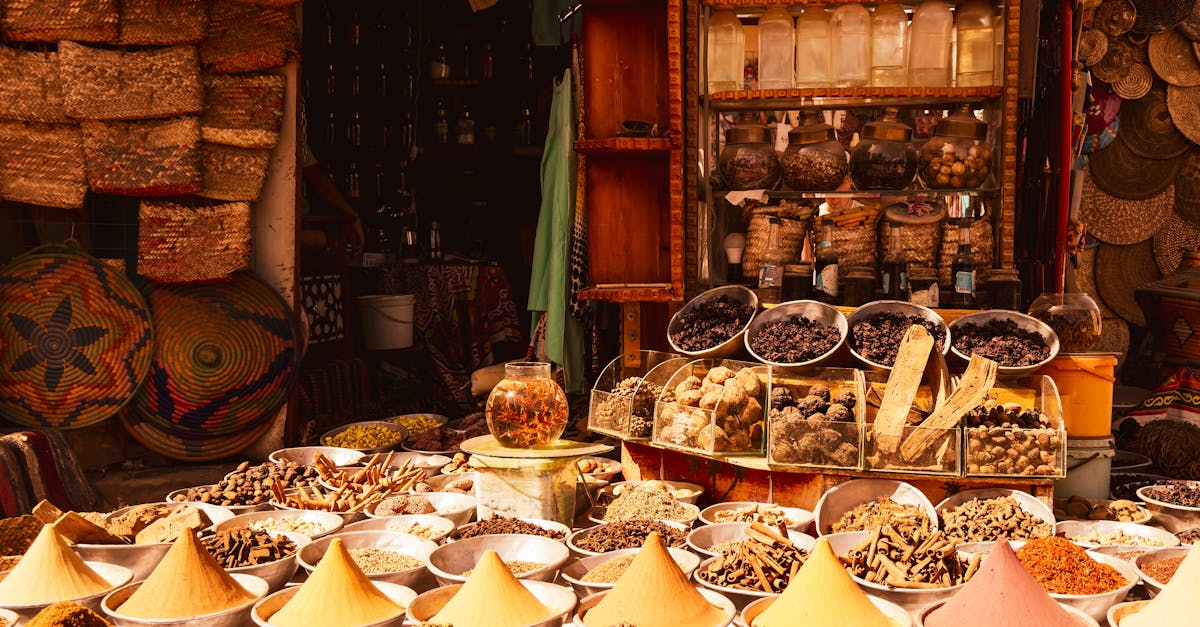
As we step into 2025, the culinary world is abuzz with bold, avant garde flavors that promise to redefine our food experiences. These new taste profiles are rooted in innovation, cultural fusion, and sustainability, offering diners an immersive gastronomic adventure. Chefs and food technologists are pushing boundaries, merging science with traditional methods to craft flavors that surprise and delight. From plant-based distillations to spicy desserts, these flavors are not just about taste but also about storytelling. Embracing unique ingredients from diverse cultures, they reflect our changing world's tastes, expectations, and values. With a focus on creativity and sustainability, these flavors pave the way for exciting dining trends.
Fusion of Global Culinary Traditions
The core of the avant garde flavor movement lies in the fusion of global culinary traditions. Chefs are blending unexpected elements from different cuisines to create dishes that pay homage to world cultures. We see Japanese miso meeting Mexican mole, or the combination of Italian balsamic reductions with Indian spices. These innovative pairings not only intrigue the palate but also serve to educate diners about diverse culinary histories. Such amalgamations promote a broader understanding and appreciation of cultural identities, bringing forth a united world on a plate. This fusion trend is elevating routine dining experiences to emotive cultural narratives.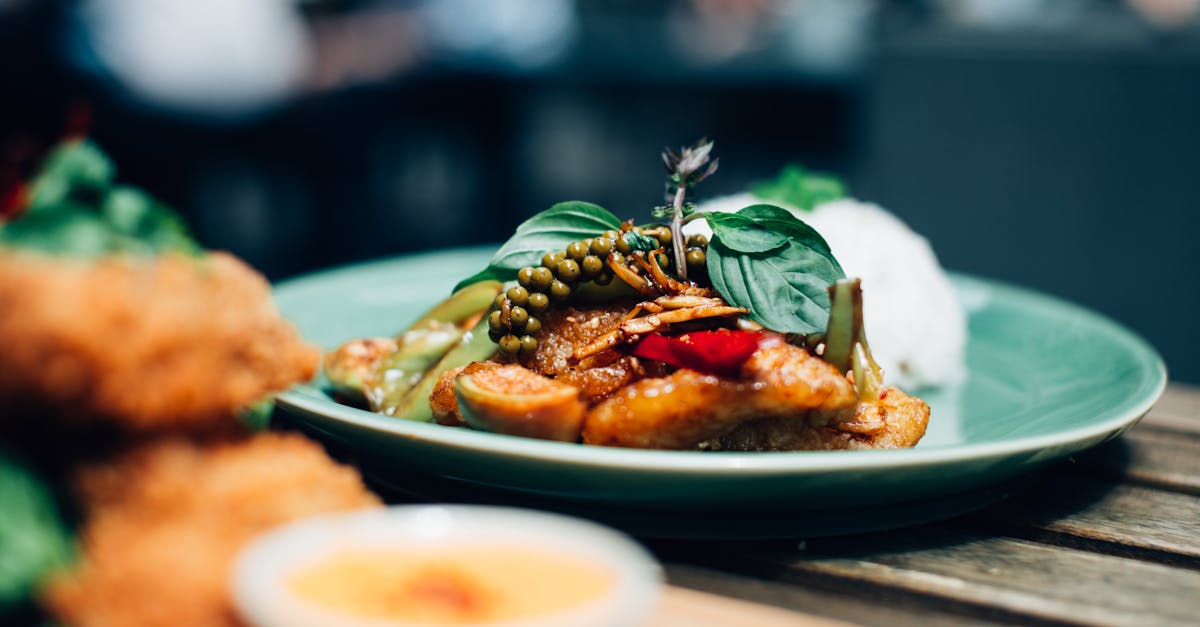
Embracing Novel Plant-Based Ingredients
With sustainability at the forefront of modern cuisine, 2025 introduces a plethora of experimental plant-based flavors. Ingredients such as jackfruit, seaweed, and legumes are being celebrated for their versatile applications. Advanced plant-based distillations are creating flavors reminiscent of traditional proteins like bacon or steak. Chefs are pioneering the art of transforming vegetables into complex culinary creations, leveraging their inherent textures and nuances. This plant-based revolution aligns with growing environmental consciousness, offering flavorful alternatives that satisfy both the palate and the planet. As these ingredients evolve, they promise endless possibilities for taste exploration.
The Role of Fermentation in Flavor Development
Fermentation is a time-honored technique that is gaining prominence in the avant garde flavor landscape. This ancient art is being revitalized with advanced methods to yield bold, novel flavors with depth and complexity. From kimchi to kombucha, fermented foods are prized not only for their unique taste but also for their health benefits. Artisanal fermentation allows for controlled experimentation, resulting in custom sour, umami, and tangy profiles that captivate modern gourmands. As chefs explore the biochemical transformation of ingredients, they are unlocking sophisticated layers of taste, turning simple ingredients into culinary masterpieces.
Desserts with a Fiery Twist
The sweet realm is no longer exempt from the avant garde flavor evolution. Cakes infused with chili, ice creams spiced with Sichuan peppercorns, and pastries with turmeric hints are making waves. This trend introduces a fiery twist that tantalizes the taste buds, challenging traditional perceptions of dessert. By juxtaposing sweetness with heat, chefs create a multi-sensory experience of flavor and texture contrasts. These bold creations elevate dessert as a pivotal part of meals, inviting culinary adventurers to expand their horizons beyond conventional sweetness. This trend promises to redefine how we perceive and enjoy confections.
Rediscovering Heritage Flavors
As the culinary world looks forward, there is an intrinsic value in rediscovering heritage flavors. Unique regional ingredients and traditional cooking methods are resurfacing, offering a nostalgic gastronomic experience. Chefs are reimagining forgotten recipes, enhancing them with modern twists that captivate contemporary palates. This exploration honors generational culinary legacies, ensuring their preservation in the modern dining narrative. By engaging with these flavors, diners embark on a sensory journey through time, experiencing flavors deeply rooted in cultural and familial histories. This resurgence highlights the enduring value of tradition in culinary innovation.
Technological Influence on Flavor Creation
Technology plays an instrumental role in shaping the future of flavor. Chefs and food scientists are harnessing tools like molecular gastronomy and AI to push boundaries further than ever. Nanotechnology is creating hyper-realistic simulations of flavors, while AI algorithms predict and suggest complementary ingredient pairings. This synergy allows precise manipulation of taste, texture, and aroma, revolutionizing food experiences. By sanitizing traditional conservative cooking approaches, technology empowers chefs to engage their creativity fully. With these advancements, the possibilities for novel flavors are limitless, paving the path for futuristic culinary experiences.
Sustainability in Flavor Innovation
In 2025, flavor innovation is inextricably linked to sustainability, with the culinary industry focusing on reducing waste and promoting ethical practices. Upcycling food scraps into gourmet delicacies is gaining momentum, turning potential waste into exquisite dishes. Ingredients like coffee grinds, banana peels, and vegetable trimmings are reimagined into flavorful, aesthetically pleasing creations. This trend not only minimizes environmental impact but also underlines the ethical responsibility of the culinary sector. By making sustainable choices, chefs and diners alike contribute to a circular food economy that celebrates flavor without compromising tomorrow's resources.
The Impact of Avant Garde Flavors
The influence of avant garde flavors extends beyond individual dishes, shaping entire dining experiences and consumer expectations. Modern diners are increasingly seeking meals that provide more than nourishment—they crave excitement, engagement, and narrative. These trends reflect larger cultural shifts towards embracing diversity, sustainability, and creativity. As restaurants and food producers adopt these flavors, they foster a new norm where eating becomes an explorative art form. Beyond the kitchen, these flavors redefine culinary education, inspiring future generations of chefs to think innovatively. In this transformative culinary epoch, avant garde flavors are setting new standards for the future of food.
Conclusion: The Future of Avant Garde Flavors
As we conclude our exploration of Tasteforward 2025, it is clear that avant garde flavors hold transformative potential. Rooted in cultural fusion, experimentation, and sustainability, these flavors redefine boundaries of cuisine, inviting us to embrace culinary adventures. The innovation witnessed in avant garde flavor development signals a promising future where creativity and sustainability coalesce. This dynamic evolution promises continued palate excitement, engaging both culinary professionals and enthusiasts alike. Together, we stand at the cusp of a new gastronomic era driven by imagination and ethical foresight.