Introduction
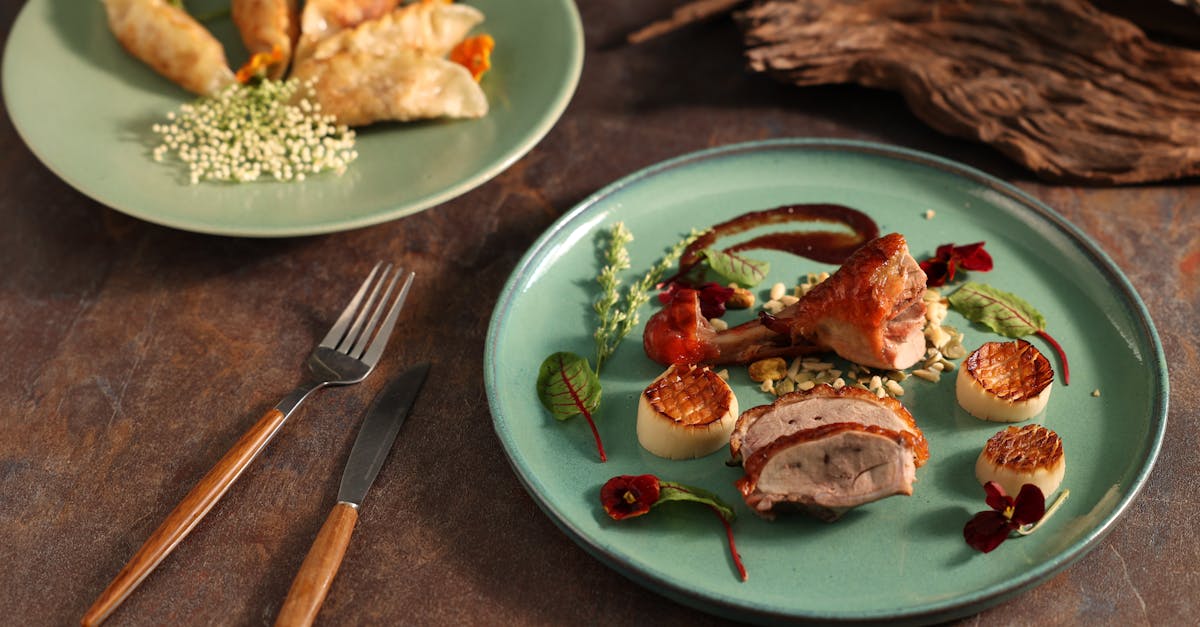
As we approach 2025, the culinary world is buzzing with anticipation about upcoming food trends. Changing consumer preferences, sustainability considerations, and technological advancements are driving innovations. Chefs around the globe are reimagining traditional cuisines while blending flavors in novel ways. Consumers are becoming more health-conscious, prompting shifts towards plant-based and functional foods. Cultural exchanges continue to expand culinary possibilities, leading to exciting flavor fusions. In this article, we'll explore some of the most anticipated culinary trends that are set to tantalize taste buds in 2025.
Plant-Based Revolution
The plant-based movement is more than just a trend—it's a culinary revolution. With ongoing environmental concerns, there's a rising demand for sustainable food sources. Chefs are embracing plant-based ingredients, reimagining comfort foods, and creating gourmet dishes. Jackfruit, seaweed, and fava beans are becoming staples in innovative plant-based dishes. Consumers are demanding plant-based versions of meat and dairy that mimic their textures and flavors. Advances in food technology are producing plant-based substitutes that closely resemble their animal-based counterparts.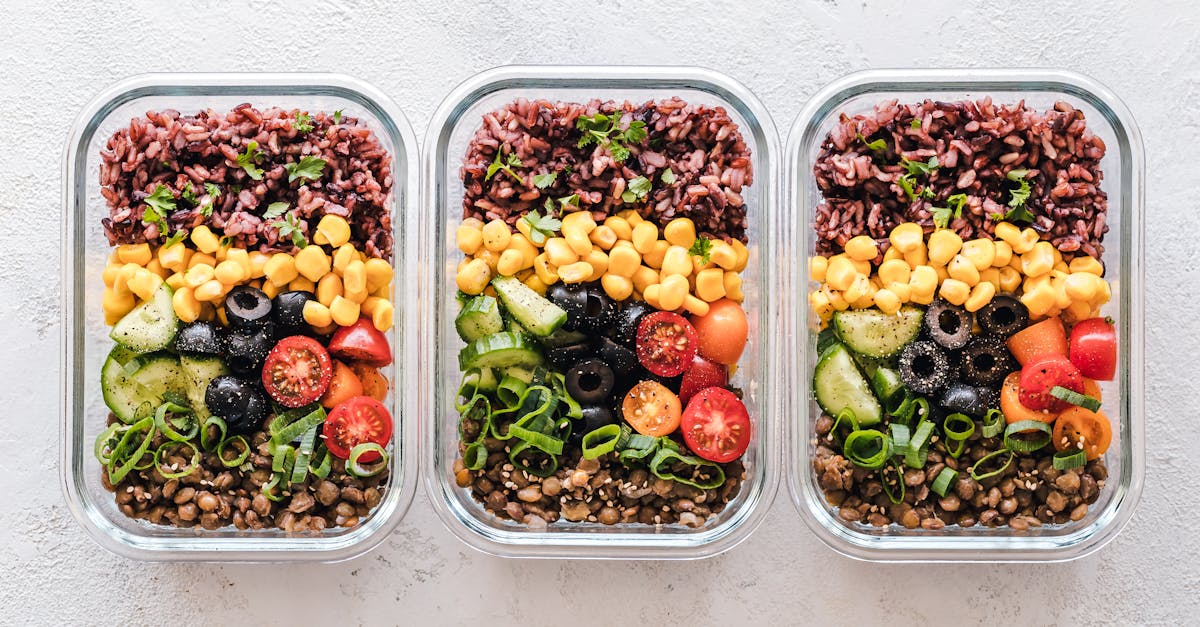
Functional Foods Take Center Stage
Consumers are increasingly turning to food for more than just nutrition. Functional foods—rich in vitamins, minerals, and bioactive compounds—are gaining popularity. Turmeric lattes, mushroom beverages, and fermented foods are praised for their health benefits. Superfoods like chia seeds, quinoa, and spirulina continue to dominate kitchen cupboards. Personalization is key, with consumers choosing foods tailored to their dietary needs and wellness goals. The market for foods that support mental health, stress relief, and immune support is expected to grow significantly.
Culinary Sustainability
Sustainability remains a central theme in the culinary world. "Root-to-stem" cooking practices are gaining traction, minimizing waste by using entire plants. Chefs are sourcing locally and seasonally, reducing carbon footprints through shorter supply chains. Eating insects, such as crickets and mealworms, is gaining acceptance as an eco-friendly protein source. Urban farming and vertical gardens are providing fresh produce directly from city roofs. Circular economy practices, such as repurposing food waste into new dishes, are making headlines as restaurants reduce their environmental impact.
Cultural Fusion Flavors
As the world becomes increasingly interconnected, culinary borders are blurring. International cuisines are merging, leading to novel flavor profiles. Korean-Italian fusion and Mexican-Japanese cuisines are just the tip of the iceberg. Chefs are experimenting with unexpected ingredient pairings, like tamarind and espresso. Street food culture is influencing gourmet menus, with tacos and bao buns appearing in fine dining settings. This trend celebrates cultural diversity, allowing diners to explore the world through their plates.
Revival of Forgotten Grains
Ancient and lesser-known grains are making a comeback in 2025. Amaranth, teff, and farro are gaining recognition for their nutritional benefits and rich histories. These ancient grains offer gluten-free options, catering to consumers with dietary restrictions. Innovative chefs are incorporating these grains into mainstream dishes, adding unique textures and flavors. Driven by a sense of nostalgia, consumers seek foods that connect them to cultural heritage. The resurgence of these grains reflects a broader trend toward rediscovering and respecting culinary traditions.
Techtastic Kitchens
Technology is transforming how we cook, dine, and experience food. Smart kitchens, equipped with AI-powered appliances, are redefining home cooking. 3D food printing is allowing for customizable meals with aesthetically pleasing designs. Augmented reality dining experiences are enhancing storytelling at the dinner table. Wearable devices are guiding nutritional choices, tracking health metrics connected to food intake. With technology at our fingertips, the kitchen of 2025 is a futuristic culinary playground.
Elevated Home Dining
Dining at home reaches new heights, blurring lines between home cooking and gourmet dining. Subscription meal kits offer chef-curated dishes alongside cooking tutorials and wine pairings. The demand for home-friendly, professional-grade kitchen equipment, like sous-vide machines and smokers, is rising. Virtual cooking classes allow budding chefs to learn from industry pioneers. The communal aspect of eating is reimagined through virtual dinner parties and shared culinary experiences. Home diners seek the quality of restaurant cuisine within the comfort of their own spaces.
The Rise of Experiential Dining
Dining out is no longer just about eating—it's an immersive experience. Restaurants are integrating theater, art, and music into their dining spaces. Multisensory dining captures the imagination, blending taste with sound and visuals. Unique dining formats, like pop-up dinners and traveling restaurants, create a sense of adventure. Collaborative dinners, with guests contributing to meal preparation, foster engagement and connection. With a focus on storytelling, experiential dining transforms meals into memorable events.
Conclusion
The culinary landscape of 2025 is one of innovation, sustainability, and cultural diversity. From plant-based advancements to tech-driven kitchens, trends are reshaping how we approach food. These culinary shifts reflect consumers’ evolving needs for health, sustainability, and cultural exploration. Chefs are pushing boundaries, creating experiences that resonate on a personal and global scale. As we anticipate these trends, culinary enthusiasts can look forward to a dynamic and flavorful journey ahead.