Introduction
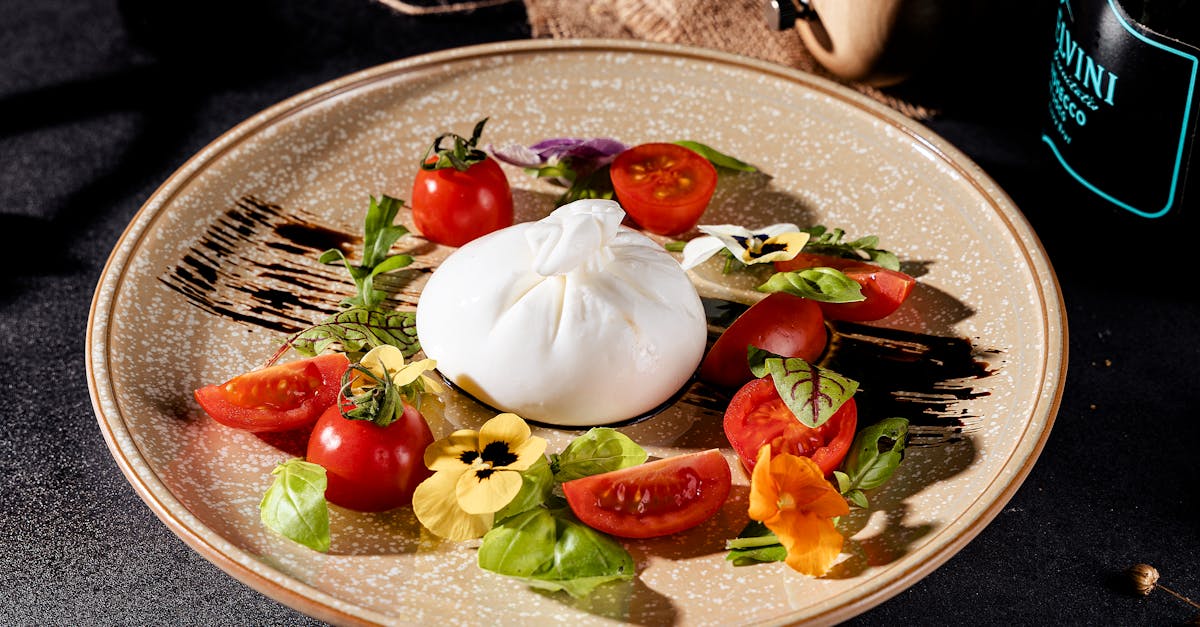
As we turn the page to 2025, the culinary world eagerly awaits the innovative flavors and techniques set to redefine dining. Culinary trends are not just about food; they reflect cultural shifts, technological advancements, and evolving palates. This year promises an exciting array of tastes and concepts that will tantalize our taste buds and expand our culinary horizons. From the resurgence of ancient grains to the rise of robot chefs, 2025 is a year of culinary exploration. As global influencer of gastronomy, this year's trends balance tradition and innovation. Delve into the delectable trends of 2025 that promise to redefine our dining experiences.
Rise of Fermented Foods
Fermentation has been a preservation method for centuries, but its popularity is surging anew in 2025. This process not only enhances flavor but also boosts gut health, making fermented foods a favored choice among health-conscious consumers. Expect to see more fermented condiments like kimchi, sauerkraut, and miso gracing tables worldwide. Beyond taste, these foods are celebrated for their probiotic benefits, which aid digestion and strengthen immunity. Chefs are experimenting with fermentation to create novel dishes that push the boundaries of flavor. The tangy, complex notes of fermented ingredients offer a fresh, sensory experience that diners crave.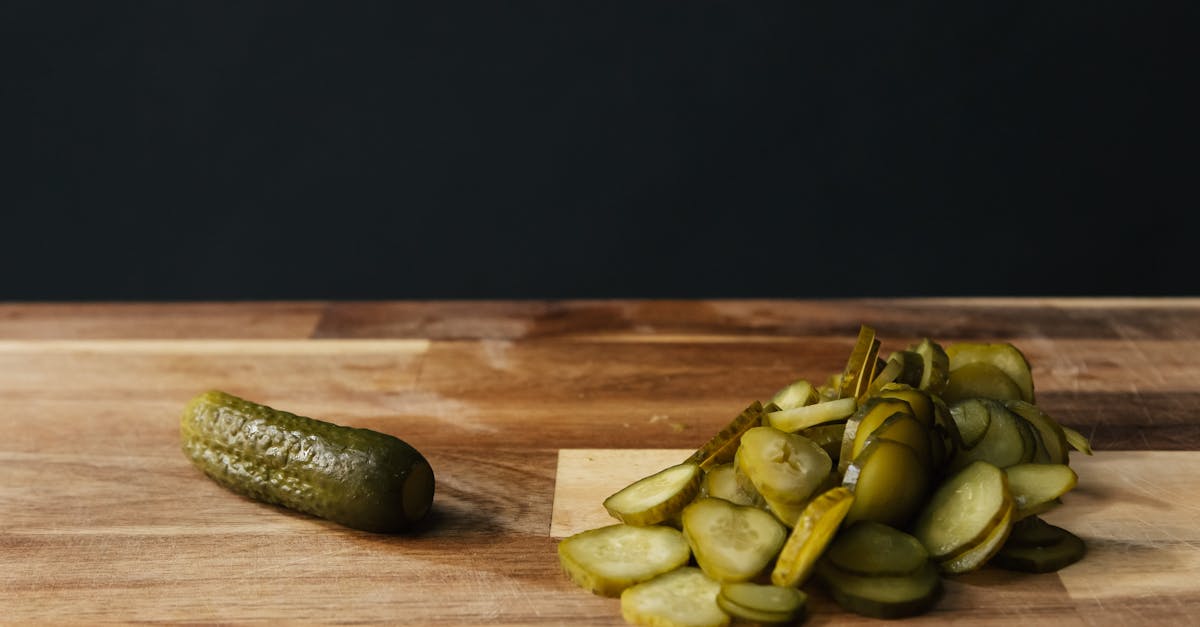
Plant-Based Revolution
The plant-based movement continues to thrive, with 2025 witnessing an even broader acceptance of veganism and vegetarianism. Innovative plant proteins, like lab-grown meat substitutes and legume-based alternatives, are winning over even staunch carnivores. Chefs are crafting creative dishes that showcase the versatility of plant ingredients, ensuring they’re as savory as their meat counterparts. This trend aligns with growing environmental awareness, as plant-based diets tend to have a smaller carbon footprint. Restaurants and home kitchens alike are embracing this ethical and sustainable dining choice, promising a greener future for the planet.
Nootropics in Cuisine
The desire for cognitive enhancement through diet is leading to an intriguing trend: nootropic-infused foods. These "smart foods" are enriched with ingredients like lion’s mane mushrooms, ginkgo biloba, and matcha that are reputed to improve mental clarity and focus. In 2025, the culinary scene is witnessing a boom in such mind-boosting meals, appealing to both foodies and health buffs. Restaurants are combining nootropics with everyday ingredients to create dishes that stimulate the brain without compromising on flavor. As knowledge of dietary neuroenhancement grows, expect to see nootropics become a staple in the culinary world.
Robot Chefs and AI in Kitchens
Technology’s embrace of the culinary world marks a significant trend for 2025, with robot chefs and AI-driven kitchens becoming marvels of modern dining. These state-of-the-art machines assist chefs in mundane tasks, increasing efficiency and consistency in outputs. Some high-tech kitchens even feature robots capable of producing gourmet meals with flair and precision. The fusion of AI and cooking extends to food delivery, with autonomous vehicles bringing meals to homes faster than ever. While the human touch in cooking remains irreplaceable, these innovations are reshaping how we perceive the preparation of food, blending precision with creativity.
Hyper-Regional Cuisines
Amid globalization, there’s an emerging trend towards hyper-regional cuisines that celebrate distinct, localized flavors. 2025 sees chefs delving into indigenous culinary practices, shining a spotlight on lesser-known dishes and ingredients. Diners are drawn to the unique cultural stories that accompany these foods, cultivating a deeper appreciation for global diversity at the table. From India’s tribal fare to hidden gems from Central America, these offerings satisfy the palate seeking authenticity. By conserving and promoting local customs, hyper-regional cuisines enrich the culinary tapestry and preserve heritage.
Functional Foods and Beverages
Functionality in food is taking center stage as consumers demand more from their dietary choices. Products rich in superfoods, antioxidants, and adaptogens are celebrated for their health benefits, forming a prominent trend in 2025. Beverages are no exception, with functional drinks like kombucha, fortified waters, and herbal tonics offering holistic wealth. Such products target specific health goals, from boosting immune systems to reducing stress. This trend speaks to a no-nonsense approach to eating, where each bite serves specific nutritional purposes. As wellness becomes synonymous with food, expect continued growth in this sector.
Sustainable Seafood Solutions
Amid concerns over overfishing and ocean health, 2025 is spotlighting sustainable seafood alternatives that promise deliciousness without ecological damage. Innovative farming techniques, such as aqua-culture and kelp farming, are at the forefront of this culinary movement. These practices ensure a steady supply of seafood while maintaining marine biodiversity. Plant-based "seafood," made from algae or soy protein, provides tasty and ethical options that replicate traditional seafood flavors. Restaurants are increasingly serving these sustainable delicacies, satisfying both eco-conscious patrons and those craving traditional marine flavors.
Fusion of Culinary and Technology
Technology and gastronomy are intertwining in unprecedented ways in 2025, enhancing dining experiences and creating new possibilities. Augmented Reality (AR) and Virtual Reality (VR) are transforming how diners interact with food, offering immersive culinary adventures. Apps and gadgets that personalize meal plans based on dietary needs are becoming household staples. Culinary AI assistants suggest recipes and shopping lists, merging convenience with customization. By merging technology with tastes, the culinary landscape of 2025 is poised to engage all senses, offering diners a multi-dimensional experience.
Conclusion
As we gaze into the crystal ball of culinary trends for 2025, the future looks deliciously innovative. The integration of technology, health-conscious choices, and a sustainability focus is reshaping how we experience food. From the soil to the plate, these trends reflect broader societal shifts towards wellness and cultural appreciation. They herald a future where dining isn't merely about sustenance but a journey into diverse tastes and traditions. With these tantalizing trends, 2025 promises a feast for both the palate and the imagination.