Introduction
The year 2025 is poised to be a landmark in the culinary world, with innovations transforming how we dine and prepare food. The past few years have seen tremendous advancements, but current technologies and changing consumer preferences hint at even more significant changes. As chefs and food scientists explore novel techniques, the fusion of tradition and innovation leads to unparalleled dining experiences. From plant-based protein developments to technological kitchen revolutions, the gastronomic landscape is evolving rapidly. How will these changes alter our relationship with food, and what impact will they have on health, sustainability, and culinary art? Let’s delve deeper into the exciting world of 2025’s culinary innovations.
Plant-Based Protein Pioneers
One of the most significant shifts in 2025 is the widespread adoption of plant-based proteins, making meals both healthier and more sustainable. Plant-based meat alternatives are no longer limited to soy or quinoa derivatives. Innovations include algae-based proteins and lab-cultured meats that mimic the texture and flavor profiles of traditional proteins. Companies such as Impossible Foods and Beyond Meat are leading the charge, pushing the boundaries of what's possible. These alternatives reduce the carbon footprint and appeal to a growing segment of environmentally-conscious consumers. Besides tackling climate change, these plant proteins are often fortified with essential nutrients, offering health benefits that align with modern dietary preferences.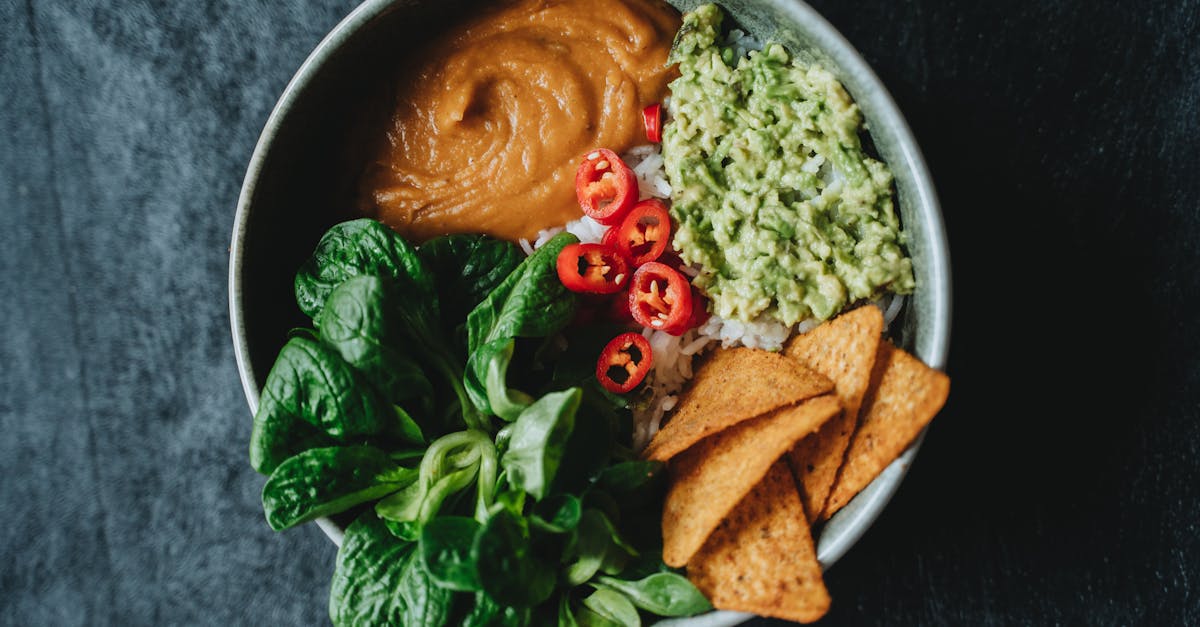
AI-Driven Kitchen Revolution
The integration of Artificial Intelligence in kitchens has transformed both professional and home cooking practices. In 2025, AI systems can provide step-by-step cooking assistance, suggest recipe alterations based on available ingredients, and tailor recipes to meet dietary needs. Robotic chefs like Moley’s Kitchen robot are gaining popularity for their precision and efficiency. These AI advancements enhance culinary creativity by freeing chefs from mundane tasks. Meanwhile, smart cooking devices adapt to user preferences, making personalized cooking more accessible. In essence, the AI-driven kitchen revolution is reshaping our cooking experiences, emphasizing ease, personalization, and technological efficiency.
Sustainable Gastronomy
Sustainability has become a cornerstone of 2025’s culinary landscape, as awareness about environmental impact continues to grow. Restaurants and food producers increasingly adopt eco-friendly practices, from sourcing locally-grown ingredients to minimizing food waste through efficient supply chain logistics. Vertical farming and hydroponics are frontier innovations reducing land and water use. Moreover, zero-waste restaurants focus on utilizing every part of the ingredient, innovating creative uses for what might be discarded otherwise. This movement not only addresses sustainability but also enhances the storytelling aspect of food, shedding light on our responsibility in preserving the planet.
Fusion of Culture and Cuisine
Globalization continues to shape the culinary sphere, and 2025 sees a heightened expression of cultural fusion in cuisine. Ingredients and techniques from various cultures merge, creating enticing hybrid dishes that reflect the global culinary mosaic. Some chefs, termed as cross-cultural culinary artists, craft dishes that challenge traditional boundaries. Middle Eastern spices harmonizing with Asian umami flavors or Nordic diet staples infused in Latin American cousin are just a couple of emerging trends making waves. These culinary experiments foster a greater appreciation for cultural diversity and open pathways to new taste experiences and sensory journeys.
Mindful Eating Movement
In an age defined by rapid technological advancements, mindfulness and intentional consumption rise as counter-movements. The mindful eating movement is gaining momentum, encouraging individuals to appreciate food beyond taste and satiety. In 2025, focus groups and food educators teach the importance of savoring each bite, understanding the journey from farm to plate. Chefs are crafting menus rooted in reducing stress and enhancing mental wellbeing. By engaging all senses during a meal, mindful eating nurtures a more profound respect for food and reinforces a balanced life. Ultimately, it inspires greater awareness and connection with nature and oneself.
Experiential Dining Escapades
Dining is no longer just about food; it's an immersive experience that tantalizes all senses in 2025. Restaurants offer virtual reality dining experiences, simulating various settings from a Provence vineyard to a bustling Tokyo street food market. Multi-sensory dining emerges, integrating soundscapes, smells, and tactile elements for an enriched dinner affair. Pop-up culinary events and secret venues cater to elusive diners seeking exclusivity. These dining adventures transform meals into memory-making events, appealing to thrill-seekers and those longing for novelty. Gastronomy, therefore, transcends taste, creating spectacles that redefine our relationship with dining.
Health-Conscious Culinary Trend
Health-conscious eating remains a top priority in 2025, with personalized nutrition plans powered by data-driven insights guiding consumer choices. Technology allows diners to make informed decisions per health goals through sophisticated apps that analyze ingredient nutritions and track allergies. Additionally, bio-hacking kitchens offer functional meals designed to optimize brain function, enhance sleep quality, and boost immunity. Restaurants, too, align their menus with these goals, becoming partners in fostering a healthier society. As chronic health issues continue to rise, the collective shift towards customized diet solutions positions nutrition as a potent tool for wellbeing.
Culinary Storytelling and Tradition
Amidst these innovations, preserving culinary traditions remains crucial, fuelling a renewed focus on food storytelling. Chefs across the globe are reviving ancestral recipes and techniques, showcasing the roots of their culinary journey. This connection between past and present offers diners a historical narrative with each dish. Culinary documentaries, written accounts, and even NFTs introduce digital avenues to record and preserve these culinary lineages. Such storytelling engages consumers emotionally, deepening their appreciation and understanding of diverse culinary heritages, ensuring that the soul of cuisine isn't lost amid modern advancements.
Conclusion
As we look to 2025, the culinary world is characterized by vibrant innovations, blending tradition with technology in unprecedented ways. The rise of plant-based solutions, AI in kitchens, and sustainability efforts redefines how we source and consume food. Globalization and mindful eating invite new culinary narratives, forging connections across cultures and enhancing our consciousness about food's role in our lives. While culinary evolution continues to unfold, a significant emphasis on ecologically responsible practices and preserving traditions promises a promising future. Looking ahead, the industry stands ready to surprise and delight, bringing a feast for both body and soul.