Introduction
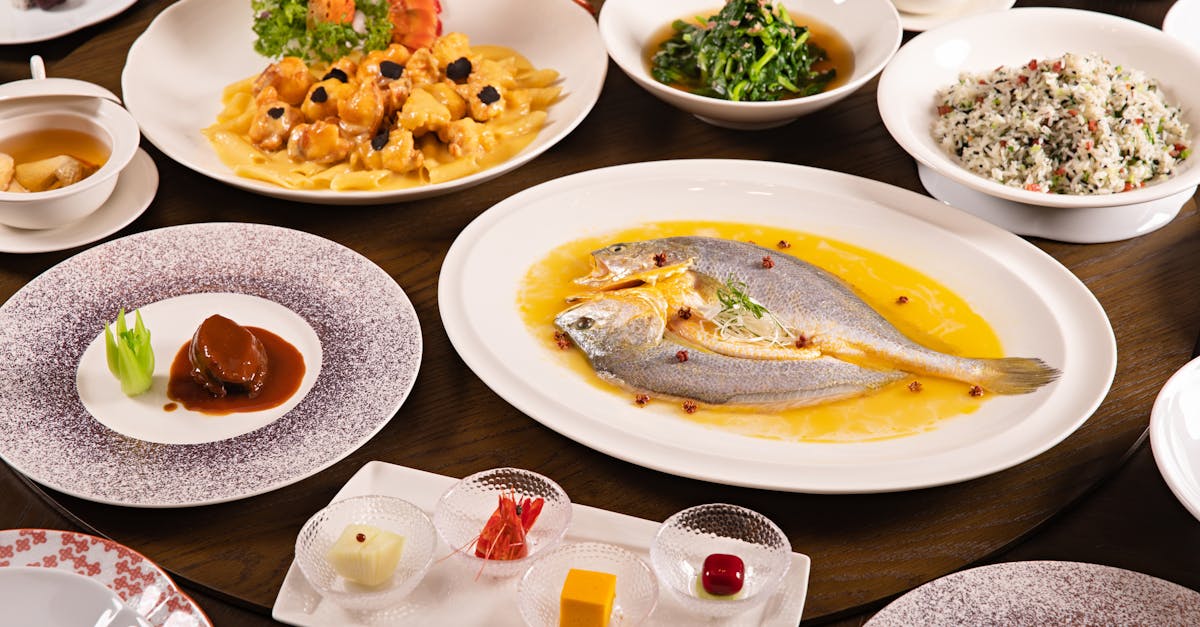
With the rapid evolution of technology and an increasing focus on sustainability, the gastronomic landscape of 2025 is set to undergo transformative changes. From innovative cooking techniques to groundbreaking dining experiences, the future of food is both exciting and challenging. As chefs and scientists collaborate, new culinary trends emerge that promise to redefine the way we eat and experience food. This article delves into the anticipated advancements in gastronomy set to take center stage in 2025. We'll explore how technology, sustainability, and creativity are shaping the culinary scene. Welcome to the culinary frontier, where food meets future.
Technological Innovations in Cooking
By 2025, technology is expected to play a pivotal role in transforming the culinary arts. Sous-vide machines, once the domain of elite kitchens, could become household staples, offering precision cooking at home. 3D food printing, already making waves in the culinary world, will advance, allowing more personalized food designs and compositions. AI-driven cooking assistants will become more sophisticated, helping both amateur cooks and professional chefs streamline kitchen tasks. Robotics will play an increasing role in automating repetitive tasks in restaurants, improving efficiency and consistency. Additionally, smart kitchen appliances will integrate seamlessly into the Internet of Things, giving users greater control over their culinary processes.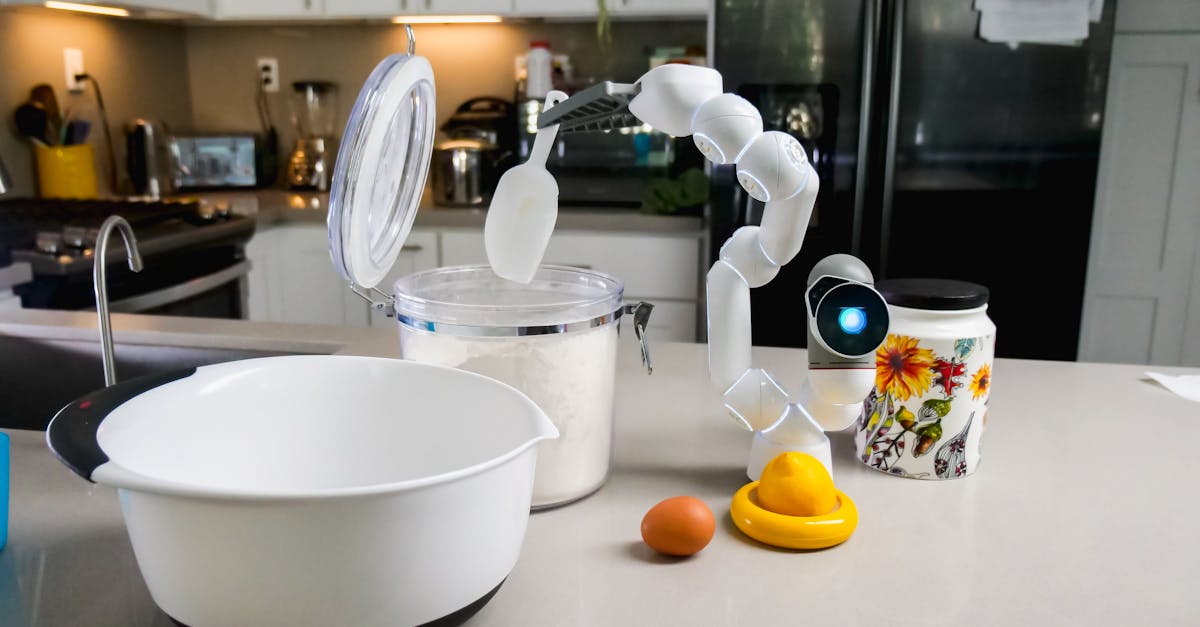
Sustainability Becomes Mainstream
As environmental awareness heightens, sustainability in gastronomy will not merely be a choice but a necessity. By 2025, the farm-to-table movement will likely evolve into more localized food sourcing, reducing carbon footprints significantly. Urban farming and vertical gardens will become commonplace, ensuring fresher ingredients for urban dwellers. Plant-based diets will gain even more traction, as culinary innovations make them more palatable and accessible. Food waste reduction will take precedence, with restaurants adopting zero-waste philosophies and employing creative methods for using every ingredient. Expect to see a surge in sustainable packaging solutions, transitioning from single-use plastics to biodegradable or even edible packaging options.
The Fusion of Science and Flavor
In 2025, the fusion of science and cooking will introduce flavors previously unimaginable. Molecular gastronomy, once a niche aspect of fine dining, might become more accessible to home kitchens. Advances in flavor science will result in new taste profiles, allowing chefs to craft unique dining experiences. Expect a rise in umami-rich dishes, leveraging natural and cultured ingredients to deliver satisfying flavors. This blending of science and flavor will enable chefs to cater to varied diets, including allergen-free and health-specific needs, while maintaining taste integrity. Watch out for breakthroughs in fermentation technologies, introducing distinctive textures and tastes to global cuisines.
Dining Experience Redefined
The traditional dining landscape will transform to embrace experience-enhanced settings. With immersive and interactive dining concepts, meals will become multisensory spectacles. Augmented and virtual reality will craft environments where diners can "travel" to remote locales while savoring corresponding regional cuisines. Expect AI or robotic servers offering hyper-personalized service, remembering diners' preferences from previous visits. Restaurants may integrate biometric technology to tailor meals according to nutritional needs or mood, creating highly customizable experiences. The line between entertainment and dining will blur, offering guests not just a meal but a comprehensive, memorable experience.
Food as Medicine Movement
The understanding of food's impact on health will deepen, guiding culinary innovations towards nutritious and therapeutic meals. By 2025, there will be a significant movement towards utilizing food as medicine, focusing on preventive healthcare through nutrition. Functional foods, enriched with probiotics, vitamins, or antioxidants, will regularly appear on menus. Advances in biotechnology could lead to personalized dietary plans based on genetic profiles, ensuring optimal health benefits. Restaurants will collaborate with health experts for menu designs that cater to specific health goals such as improved digestion, enhanced immunity, and cognitive function. The convergence of gastronomy and health science will suggest that what we eat could be as significant as how we treat.
Rise of Home-based Culinary Creations
As culinary techniques become more accessible, many will shift to exploring gastronomic creativity at home. By 2025, digital platforms offering online cooking classes taught by acclaimed chefs will proliferate. Interactive cooking kits, paired with virtual reality tutorials, will bring expert culinary guidance into kitchens worldwide. Smart appliances with built-in recipe databases will simplify complex cooking methods for novices and enthusiasts alike. AI recipe suggestions based on available ingredients will encourage home cooks to experiment and reduce food waste. Such advancements will democratize fine dining, offering gourmet experiences within the comforts of one's home.
Innovations in Beverage Crafting
The beverage world, too, will witness exciting transformations. Expect a surge in non-alcoholic drink innovations, as mixologists and beverage scientists concoct complex, satisfying drinks without alcohol. Personalized coffee blends created with AI will cater to individual palate nuances, while advancements in tea culture will focus on relaxation and functional health benefits. Spirit alternatives, infused with adaptogens and superfoods, will become more mainstream, as consumers seek healthier options. Crafting of custom cocktails via mobile apps and smart devices will redefine home entertaining experiences. Non-traditional ingredients—think seaweed or mushroom infusions—will introduce unprecedented layers of flavor and appeal.
Culinary Collaborations Across Cultures
In a world more connected than ever, culinary boundaries will blur, giving rise to global fusion cuisines. Expect chefs from different cultures to collaborate, creating innovative dishes merging diverse culinary traditions. By 2025, molecular gastronomy, combined with traditional techniques, will result in novel taste experiences. Cultural celebrations will increasingly feature fusion dishes, reflecting the blending of multicultural societies. Culinary tours encouraging cross-cultural culinary exchanges will gain popularity, fostering global culinary literacy and appreciation. These collaborations will embolden chefs to experiment, embrace diversity, and tell stories through food that resonate across boundaries.
Conclusion
As we gaze into the future of gastronomy, 2025 promises to be a frontier of innovation and reinvention. Technological advancements, sustainability, and health-focused trends will reshape culinary practices. As dining becomes more immersive, personalized, and aesthetically engaging, food will continue to unite people beyond taste alone. As chefs and scientists collaborate, the potential for exceptional storytelling through cuisine will flourish. One thing is certain: the future of food is boundless in its creativity, awaiting adventurous palates eager to explore its many flavors and innovations.