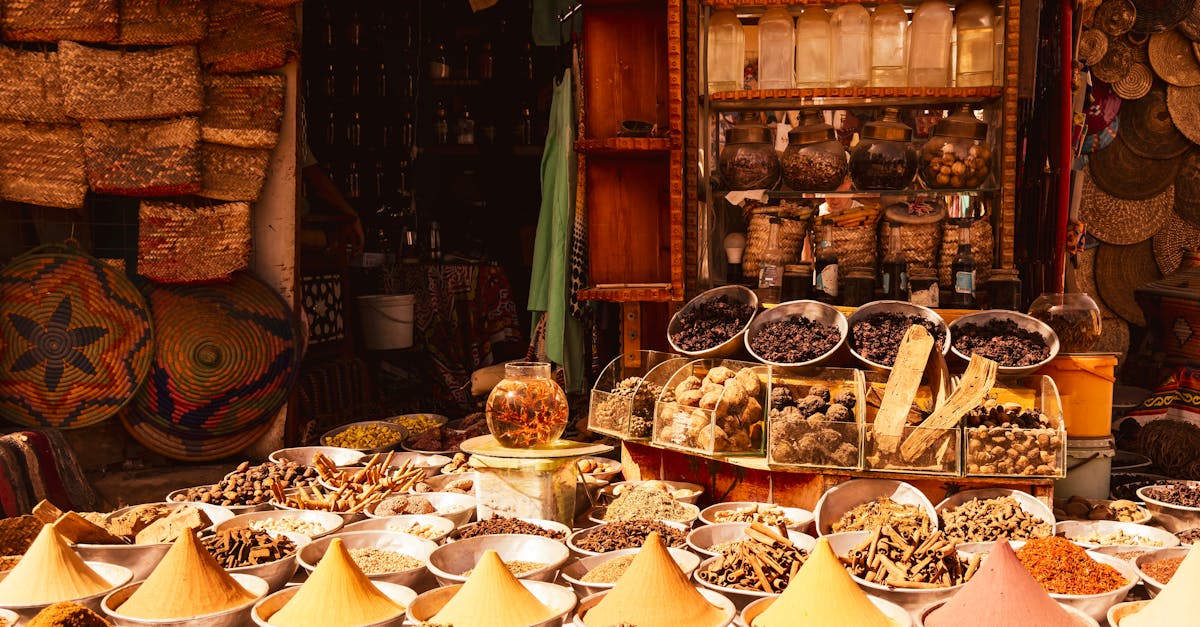
Introduction to Flavors of the Future
The future of food is not just about sustenance but about the tantalizing experiences it can offer to our taste buds. As technology advances and culinary boundaries expand, food scientists are creating flavors that are set to revolutionize our palettes by 2025. From sustainable ingredients to tech-enhanced flavors, the innovations in food are limitless. But what exactly are these emerging flavors, and how will they reshape our dining experiences? How are global cuisines being transformed through the fusion of flavors and new cooking techniques? These questions set the stage for a thrilling exploration into the food flavors of the future.
Plant-Based Flavors
In recent years, the surge in plant-based diets has fueled innovation in the creation of meat alternatives, a trend set to dominate the flavor landscape by 2025. Companies are developing flavors mimicking the rich umami of beef, the savory notes of chicken, and the succulent taste of seafood, all from plant sources. Techniques using fermentation and bioengineering are crafting flavors indistinguishable from their animal counterparts. The intersection of technology and flavor allows consumers to enjoy traditional tastes without sacrificing eco-conscious values. This movement reflects a shift in consumer priorities toward sustainability and health.
Flavoring with Technology
The integration of technology in flavor development is yielding unprecedented results. Advanced techniques such as flavor mapping and AI-assisted analytics allow for the precise replication and enhancement of traditional flavors. 3D printing technology is being used to design foods with intricate flavor profiles that combine multiple taste sensations in one bite. Nanotechnology is also at the forefront, promising flavor enhancement at a molecular level, ensuring every morsel is rich in taste and aroma. The melding of culinary arts with cutting-edge technology is redefining what it means to dine in a modern world.
Global Inspirations
Culinary globalization has exposed diners to a vast array of flavors, a trend set to expand even further. The flavors of Middle Eastern spices, East Asian umami, and Latin American zests are finding their way into Western culinary practices. By 2025, international ingredients will become staples in kitchens worldwide. The fusion of these diverse flavors results in innovative dishes that offer a taste-driven journey around the globe. This trend not only broadens consumers' taste horizons but also fosters a deeper appreciation and understanding of cultural diversity through food.
Sustainable Savors
Environmental sustainability is a dominant trend shaping the future of food flavors. There's a growing emphasis on using locally-sourced ingredients that reflect regional tastes, minimizing transportation and environmental impact. Edible insects and algae, rich in nutrients, are being transformed into flavorsome components of tomorrow's dishes. The potential of flavor derived from sustainable sources is immense, as it aligns with the global imperative for environmental stewardship. These eco-friendly options offer both tantalizing flavors and a path toward a more sustainable food system.
Personalized Flavor Experience
Personalization is king, and technology is driving tailored flavor experiences. By 2025, food products will be custom-designed to align with individual taste preferences, dietary needs, and even genetic markers. Smart kitchen devices and apps will make flavor recommendations based on user input, allowing for a hyper-personalized dining approach. This level of customization ensures that everyone enjoys a unique gastronomic experience, turning each meal into a culinary delight designed especially for them. The transition from mass production to personal curation represents a significant shift in flavor consumption.
Functional Flavors
The future flavors are not just about taste but also about function. Foods infused with flavors that offer health benefits such as anti-inflammatory properties or mood enhancement are expected to gain popularity. These functional flavors can come from sources such as turmeric, ginger, and adaptogenic herbs integrated into savory and sweet dishes. The movement toward functional flavors reflects a growing focus on wellness and nutrition, where flavor and health coexist. This trend signifies a shift where the health-conscious consumer can enjoy the best of both worlds.
Culinary Arts and Sensory Science
The partnership between culinary artists and sensory scientists is creating a revolution in food flavors by 2025. Chefs and researchers are cooperating to deconstruct flavors and rebuild them in new, exciting formats. This collaboration focuses on enhancing the multisensory dining experience, stimulating the senses beyond just taste. Consider experiments using soundscapes to augment flavor perception or aromas that ignite emotional responses. This holistic approach to dining is broadening the gastronomic horizon, setting the tone for a much more immersive food experience.
Ethically-Minded Flavors
Ethical considerations are shaping the future of food flavors as consumers become more conscious of food sources. The demand for ethically produced and fair-trade ingredients is influencing flavor trends. Emphasis on transparency in sourcing practices and fair treatment of producers are key factors driving the selection of flavors. The recognition of culinary labor and the ethical production of food reflects an evolving consumer consciousness. Such awareness ensures that flavors not only satisfy the palate but also enrich social responsibility.
Conclusion on the Future of Food Flavors
As we look toward 2025, the world of food flavors promises innovation, sustainability, and personalization. Driven by advances in technology, a globalized taste palette, and ethical considerations, the flavors of the future invite exploration and excitement. From functional foods to plant-based innovations, the possibilities are boundless and tailored to emerging consumer preferences. These trends indicate a delectable future where culinary creativity knows no bounds. Indeed, the journey into the future of food flavors is an exciting one, inviting each of us to take part in a new era of taste discovery.