Introduction
Food Drink Trends Shaping Modern Menus are changing how people choose, prepare, and experience meals. Restaurants now balance comfort with curiosity, sustainability with convenience, and global inspiration with local identity. From fermented ingredients to clever nonalcoholic pairings, today’s menus reflect shifting tastes, new technology, environmental concerns, and a growing desire for food that feels meaningful.
The Rise of Flexible Eating
Food Drink Trends Shaping Modern Menus increasingly begin with flexibility rather than strict categories. Diners may identify as vegan, vegetarian, flexitarian, gluten-conscious, or simply interested in lighter choices on certain days. Restaurants are responding with plant-forward dishes that treat vegetables, grains, legumes, and mushrooms as central ingredients instead of polite sidekicks. Cauliflower steaks may have enjoyed the spotlight, but the broader movement now includes lentil ragù, mushroom “meatballs,” bean-based spreads, and desserts built around fruit, nuts, and alternative creams. The goal is not always to imitate meat or dairy; often, it is to celebrate plants on their own delicious terms.
Local Ingredients, Global Inspiration
Food Drink Trends Shaping Modern Menus also reveal a more adventurous relationship with geography. Chefs are borrowing techniques, spices, and flavor combinations from many culinary traditions while working with ingredients sourced close to home. A neighborhood restaurant might pair locally grown carrots with harissa, serve corn with miso butter, or fold regional berries into a dessert inspired by Southeast Asian flavors. When handled thoughtfully, this approach creates exciting food without treating culture as a costume. Diners are becoming more curious about origins, too, asking where ingredients come from, who produced them, and how a dish connects to a wider culinary story.
Fermentation Finds a Bigger Stage
Fermentation has moved from specialist kitchens into everyday dining. Kimchi, kombucha, sourdough, kefir, miso, pickles, and aged hot sauces are now familiar to many customers, while chefs continue exploring less expected options such as fermented fruit, grains, and honey. These ingredients bring acidity, depth, aroma, and complexity, helping a dish taste layered without relying on excessive salt, sugar, or fat. Food Drink Trends Shaping Modern Menus use fermentation not merely as a fashionable flourish but as a practical tool for preserving seasonal produce and reducing waste. The tiny microbes doing the work may be invisible, but their flavor impact is impossible to miss.
The New Era of Nonalcoholic Drinks
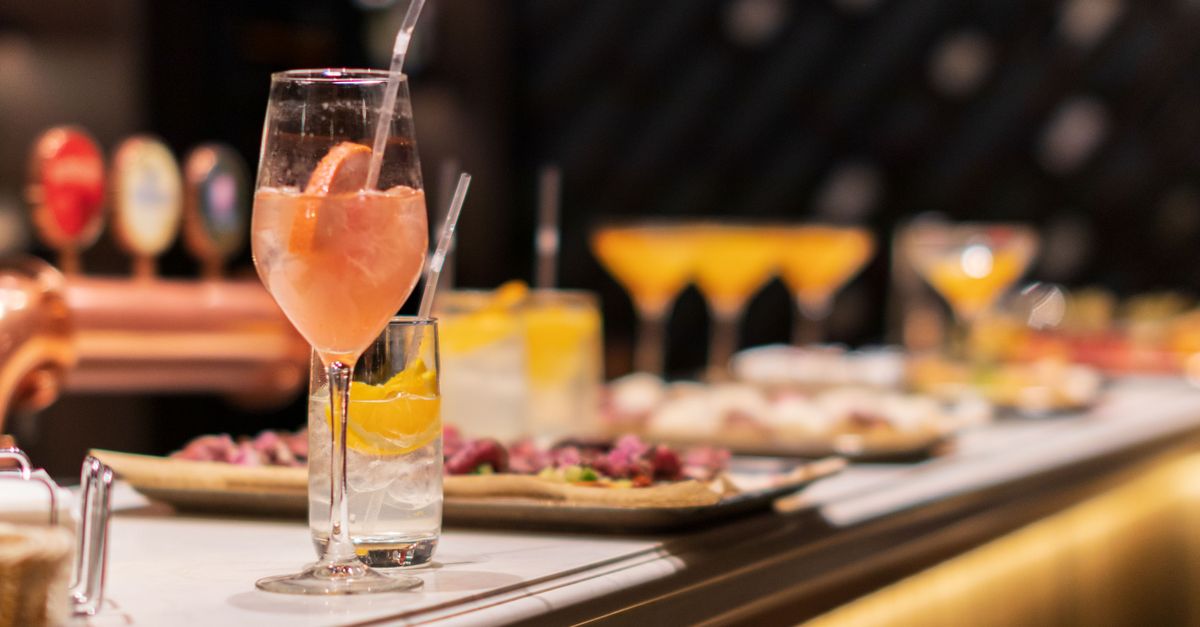
Beverage menus are experiencing a particularly creative transformation. Nonalcoholic cocktails now go well beyond sweet fruit juice in a fancy glass, offering botanical infusions, shrubs, bitters, teas, spices, sparkling waters, and carefully developed alcohol-free spirits. Customers may want to moderate their alcohol intake, take a break, or simply enjoy a sophisticated drink that does not leave them negotiating with tomorrow morning. Food Drink Trends Shaping Modern Menus therefore give beverages equal billing with food. Restaurants are designing pairings around tea, coffee, fermented sodas, and zero-proof cocktails, proving that a memorable toast does not require a hangover as its traditional garnish.
Comfort Food Gets a Thoughtful Upgrade
Modern diners still crave familiar food, especially during busy or uncertain times, but comfort dishes are being updated with better ingredients and sharper presentation. Macaroni and cheese may feature aged cheeses and roasted vegetables; fried chicken may arrive with regional spices and house-made pickles; a humble stew might highlight heritage beans or lesser-known cuts. This balance between nostalgia and novelty is one of the most durable Food Drink Trends Shaping Modern Menus. Customers want the emotional reward of food they recognize, along with enough freshness to make the experience feel worth leaving the sofa for.
Sustainability Becomes More Practical
Environmental awareness is influencing menus in ways that are increasingly concrete. Chefs are using whole-animal butchery, root-to-stem cooking, seasonal purchasing, and preservation methods to reduce waste. Scraps can become stocks, sauces, crisps, syrups, or garnishes rather than heading straight to a bin. Restaurants are also reconsidering packaging, portion sizes, and supply chains, while diners are showing interest in regenerative farming and responsibly sourced seafood. Food Drink Trends Shaping Modern Menus are strongest when sustainability is built into everyday decisions instead of presented as a decorative slogan. A delicious dish that uses more of each ingredient is good cooking and good accounting.
Technology Meets the Dining Room
Technology is quietly changing both what appears on a menu and how customers encounter it. Data can help restaurants predict demand, reduce over-ordering, and identify popular dishes, while digital ordering systems make customization easier. In some kitchens, precision equipment supports consistent cooking, controlled fermentation, and creative textures. Yet technology works best when it supports hospitality rather than replacing it. Diners may appreciate a streamlined reservation system, but they still value a warm welcome, clear explanations, and a human recommendation. The smartest Food Drink Trends Shaping Modern Menus combine innovation with the timeless pleasure of being looked after.
Personalization and Shared Discovery
Menus are becoming more adaptable as diners seek experiences suited to their preferences, budgets, and social habits. Smaller plates encourage sharing, tasting menus can offer multiple levels of intensity, and customizable bowls allow guests to adjust ingredients without turning dinner into an administrative meeting. Social media also influences discovery, though visual appeal is increasingly paired with substance: texture, provenance, craftsmanship, and a memorable story. In this environment, Food Drink Trends Shaping Modern Menus are not dictated by one universal taste. They are shaped by conversation between chefs, producers, servers, and customers, with each group helping define what feels relevant.
Conclusion
Food Drink Trends Shaping Modern Menus reflect a broad shift toward flexibility, flavor, responsibility, and discovery. Plant-forward cooking, fermentation, nonalcoholic drinks, global influences, sustainability, and useful technology are becoming lasting parts of the dining landscape. The most successful menus bring these ideas together without losing warmth, clarity, or the simple joy of eating well.