A New Appetite for Change
From oat-milk cappuccinos to chili crisp on everything, dining habits are changing at remarkable speed. Food producers, restaurant teams, and home cooks are responding to shoppers who want convenience, value, personality, and a lighter footprint. The result is a lively marketplace where familiar comforts meet unexpected ingredients, formats, and cultural influences.
Comfort With a Fresh Coat of Paint
Food Drink Trends are not abandoning comfort food; they are giving it a clever update. Classic dishes are appearing with bolder seasoning, regional twists, and more flexible ingredients. A burger might feature fermented toppings, a grilled cheese may include kimchi, and a humble bowl of noodles can become a canvas for herbs, crunchy oils, and roasted vegetables. This approach works because it offers novelty without demanding that diners learn an entirely new culinary language. Familiarity remains the welcome mat, while experimentation supplies the party playlist.
The Rise of Small, Flavorful Luxuries
Another important part of Food Drink Trends is the popularity of affordable indulgence. When household budgets feel tight, people may skip expensive splurges but still seek small treats that make an ordinary day feel special. Premium ice cream, craft sauces, specialty coffee, bakery-style pastries, and restaurant-quality frozen meals all fit this pattern. These products deliver sensory drama in modest portions or manageable prices. The appeal is less about extravagance than about creating a rewarding pause between emails, errands, and the eternal search for matching socks.
Beverages Become the Main Event
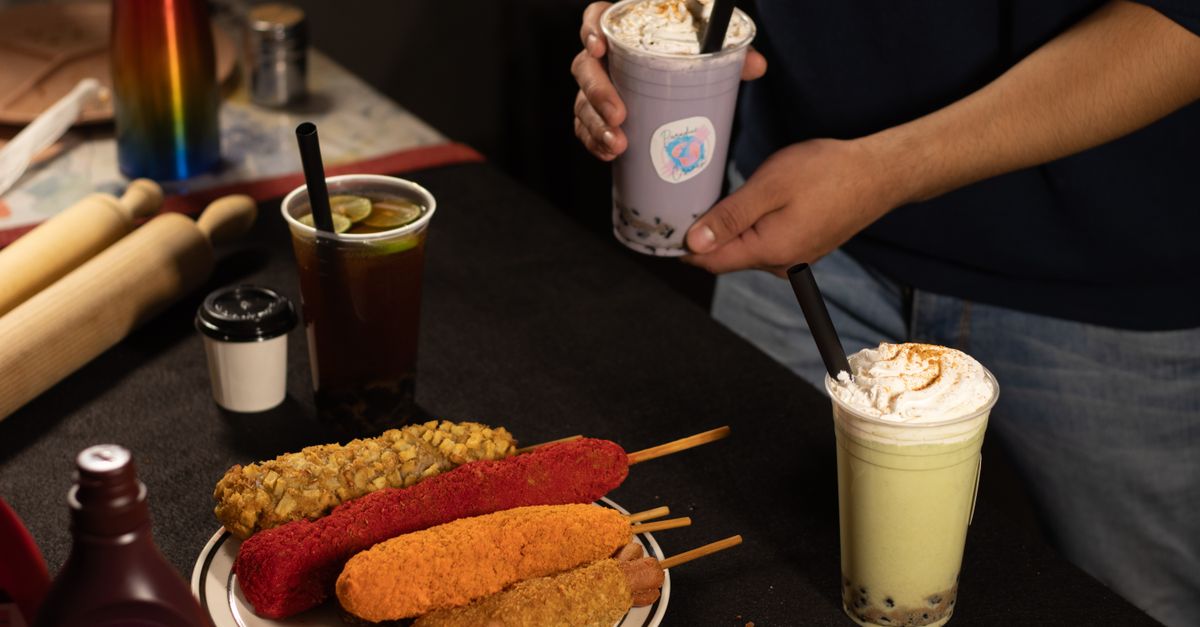
Food Drink Trends increasingly place beverages at the center of the experience rather than treating them as an afterthought. Alcohol-free cocktails, sparkling teas, botanical sodas, protein drinks, and globally inspired coffee creations are expanding the meaning of refreshment. Consumers are looking for flavor, ritual, and social appeal, whether or not alcohol is involved. Restaurants are responding with menus that give drinks distinctive identities, while retailers are making fridge space for colorful cans and concentrated mixers. In many cases, the beverage now sets the mood before the first bite arrives.
Convenience Gets More Sophisticated
Modern Food Drink Trends also reveal that convenience no longer means bland, heavily processed, or nutritionally forgettable. Shoppers want products that save time while still tasting intentional. Ready-to-heat grains, refrigerated sauces, pre-marinated proteins, chopped vegetables, and upgraded instant noodles are gaining attention because they shorten preparation without removing all personality from the meal. Delivery and grocery platforms are also improving customization, allowing customers to adjust spice levels, portions, toppings, and dietary preferences. The winning formula is simple: fewer steps, better results, and minimal washing-up afterward.
Plants, Fermentation, and Smarter Sourcing
Plant-forward eating remains a major force, but it is becoming more nuanced. Instead of presenting vegetables as substitutes that imitate meat perfectly, many chefs are celebrating mushrooms, beans, lentils, seaweed, grains, and roots for their own textures and flavors. Fermentation adds acidity and depth to everything from hot sauces to cultured spreads. At the same time, shoppers are paying closer attention to sourcing, seasonality, packaging, and food waste. Sustainability is moving from a niche concern toward a practical standard, although price and convenience still strongly influence everyday decisions.
Global Inspiration Without Tokenism
Menus are drawing inspiration from a wider range of culinary traditions, helped by travel, streaming media, migration, and social platforms. Ingredients such as yuzu, tahini, gochujang, plantain, sumac, and pandan are now easier to find outside specialist shops. The best examples treat global flavors with respect rather than using them as decorative buzzwords. That means explaining ingredients, crediting traditions, and building dishes around genuine understanding. Consumers are increasingly alert to shallow appropriation, and they can usually detect when a menu has borrowed a word but missed the point.
Technology Enters the Kitchen
Digital tools are influencing how meals are discovered, purchased, and prepared. Recommendation engines suggest products based on previous orders, smart appliances help coordinate cooking times, and inventory apps can reduce forgotten ingredients lurking behind the mustard. Restaurants are using data to predict demand and limit waste, while creators turn short videos into powerful recipe demonstrations. Yet technology works best when it supports human judgment rather than replacing it. A machine can identify a flavor pairing, but it still cannot comfort a homesick diner quite like a well-made bowl of soup.
What Brands Need to Understand
For companies, the latest Food Drink Trends point toward a more demanding customer. People want transparency about ingredients, useful portion sizes, credible sustainability claims, and packaging that does not require an engineering degree to open. They also expect products to perform consistently across different occasions, from a rushed weekday lunch to a relaxed gathering with friends. Successful brands are therefore combining clear communication with distinctive flavor. They are not merely selling food or drink; they are selling ease, identity, discovery, and a story customers can comfortably repeat.
The Bigger Picture
Taken together, Food Drink Trends show a marketplace balancing comfort with curiosity, affordability with quality, and convenience with responsibility. The most durable ideas are likely to be those that improve daily routines rather than simply generating a brief wave of online attention. Consumers will continue exploring global flavors, creative beverages, plant-forward meals, and smarter formats, while keeping familiar favorites close. In the end, the future of eating will probably look less like one grand revolution and more like a very busy kitchen where several good ideas are happily sharing the counter.