A Broader View of Everyday Eating
Food Drink Culture Trends now reflect more than restaurant fashion. They reveal how people balance pleasure, convenience, identity, and responsibility at the table. From low-waste menus and global flavors to alcohol-free gatherings and clever delivery formats, today’s eating habits are becoming more flexible, social, and surprisingly thoughtful.
Personal Choice Takes Center Stage
Food Drink Culture Trends are increasingly shaped by individual preferences rather than rigid rules. Diners may choose plant-based meals one day, a traditional roast the next, and a highly customized bowl after that. Dietary choices now overlap with lifestyle, budget, ethics, fitness, culture, and simple curiosity. Restaurants respond by offering flexible menus with clear ingredient information, smaller portions, mix-and-match options, and substitutions that do not make customers feel like they are filing paperwork at the dinner table. This flexibility also reflects a wider shift away from the idea that one eating style must define a person completely. People want food that fits the moment, not a permanent membership card to a single category.
Global Flavors Become Familiar Favorites
Food Drink Culture Trends have also made international flavors more accessible and less confined to specialist restaurants. Ingredients such as gochujang, tahini, yuzu, za’atar, and harissa now appear on mainstream menus and supermarket shelves. The most interesting development is not simply the popularity of exotic ingredients, but the way cooks combine them with familiar formats. A sandwich can carry the flavors of a regional stew, while a classic dessert may borrow spices from another continent. This exchange encourages culinary discovery, although it also creates a responsibility to represent traditions accurately and respectfully. Good fusion feels like a conversation between cuisines, not a costume borrowed for the evening.
Sustainability Moves From Slogan to Routine
Food Drink Culture Trends increasingly connect enjoyment with environmental awareness. Diners are paying closer attention to seasonal produce, food waste, packaging, responsible sourcing, and the distance ingredients travel. Restaurants are responding with nose-to-tail cooking, root-to-stem recipes, reusable containers, and menus that change according to local supply. These practices can also improve flavor because freshly available ingredients often inspire more creative cooking. Still, sustainability is not solved by a fashionable menu label alone. Customers are becoming better at noticing whether claims are specific and measurable or merely dressed up in attractive green language. The future is likely to favor businesses that make responsible choices visible without turning every meal into a lecture.
The Rise of Low- and No-Alcohol Socializing
Food Drink Culture Trends are changing the role of alcohol in social life. Low-alcohol and alcohol-free drinks have moved well beyond sugary substitutes, with restaurants and bars offering sophisticated options built around tea, herbs, spices, shrubs, bitters, and fermented ingredients. This gives guests more freedom to participate in celebrations without making alcohol the central character. The shift also suits weekday dining, workplace events, driving, and people who simply prefer a clearer head. Mocktails, sparkling infusions, and carefully made zero-proof pairings demonstrate that complexity does not require intoxication. In short, the modern drinks menu is learning that a good time can arrive without needing a dramatic entrance.
Technology Changes the Dining Experience
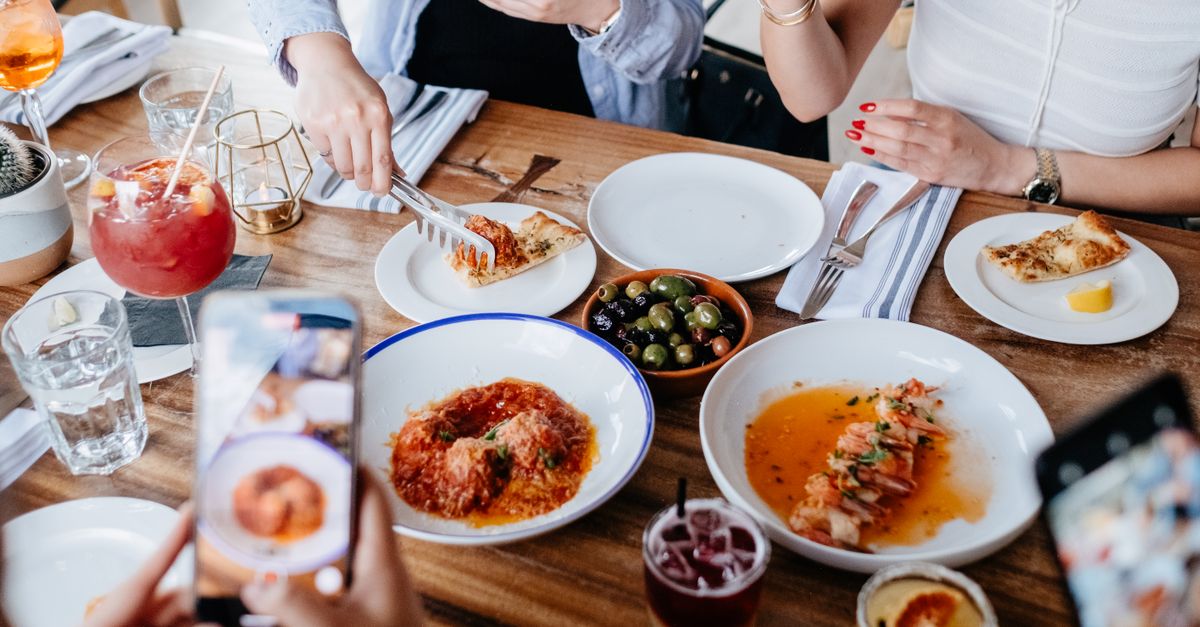
Digital tools have become part of the food landscape, influencing how people discover, order, pay for, and review meals. Delivery platforms, digital reservations, loyalty apps, automated kitchens, and personalized recommendations create convenience, particularly in busy urban lives. Social media also turns presentation into a form of communication, allowing a memorable dish to travel far beyond the dining room. Yet technology works best when it supports hospitality rather than replacing it. A seamless ordering system cannot compensate for cold food, unclear pricing, or a dining room that feels more like a waiting area than a welcoming space. The strongest businesses use technology to remove friction while preserving the human details that make meals memorable.
Food as Identity and Community
Meals remain powerful expressions of belonging, heritage, and personal identity. Family recipes connect generations, neighborhood cafés create informal gathering places, and community food events bring together people who might otherwise never meet. Food creators are also using their platforms to tell stories about migration, regional traditions, and overlooked ingredients. This storytelling can deepen appreciation, provided it gives proper credit to the people and communities behind a dish. At the same time, affordability matters. A culture of beautiful, carefully photographed food loses some of its charm if ordinary people cannot participate. The most durable dining communities combine discovery with welcome, making room for both special occasions and everyday comfort.
What Comes Next for the Table
The next stage of dining will probably be less about one dominant trend and more about overlap. A single meal might be locally sourced, globally inspired, digitally ordered, plant-forward, alcohol-free, and designed for sharing. That combination sounds complicated, but modern diners are already comfortable moving between different preferences and occasions. Businesses that succeed will likely be those that remain adaptable without becoming vague. They will need to offer distinctive flavors, honest sourcing, practical convenience, and genuine hospitality at the same time. It is a demanding recipe, but the rewards are substantial: stronger customer loyalty, more resilient operations, and experiences people remember for reasons beyond a clever garnish.
A More Flexible Food Future
Food Drink Culture Trends show that modern dining is becoming more personal, inclusive, sustainable, and connected. Global flavors, flexible diets, thoughtful drinks, digital convenience, and community storytelling are reshaping everyday choices. The most promising future will balance innovation with respect, ensuring that food remains both exciting and welcoming. In the end, the table is changing because people are changing how they live, gather, and express what matters to them.