Introduction
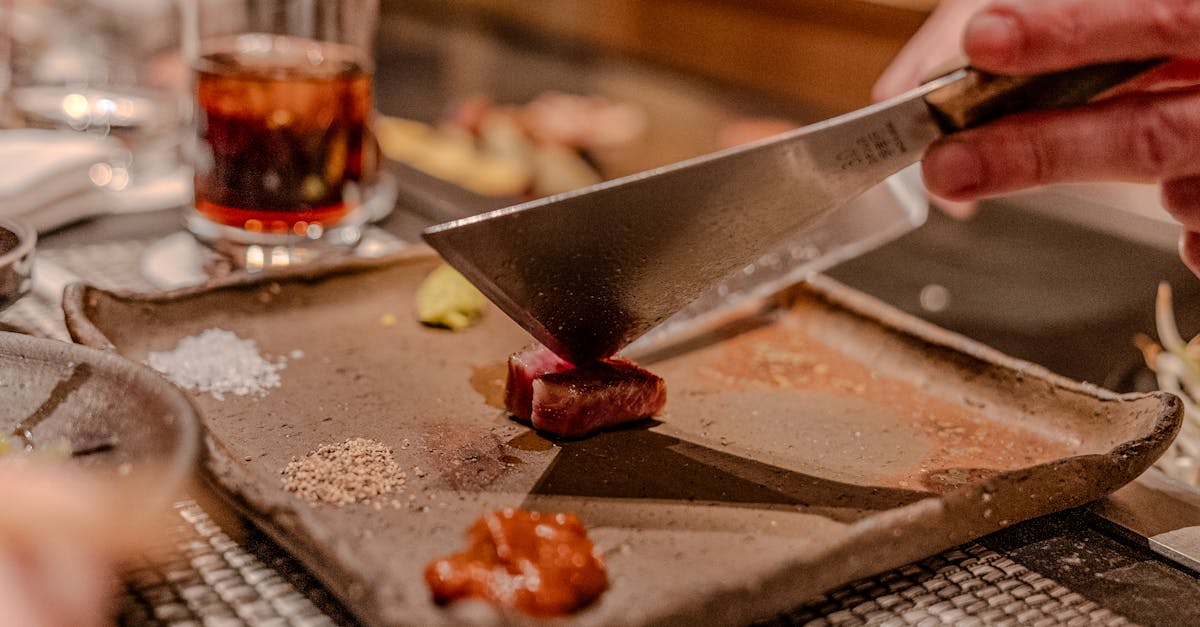
In 2025, the world of gastronomy is undergoing a transformative shift, paving the way for a new era of dining and culinary artistry. Epicurean Innovations 2025 symbolizes a harmonious blend of tradition and cutting-edge technology, reshaping our understanding of food. At the heart of these advancements lies a commitment to sustainability, health, and immersive dining experiences. With chefs embracing new techniques and ingredients, creativity in the kitchen reaches unprecedented heights. What's driving these changes, and how are they impacting both professional chefs and home cooks? This article delves into the emerging trends and breakthroughs redefining how we eat, savor, and celebrate food.
Sustainable Gastronomy
The culinary world in 2025 is deeply committed to sustainability, with chefs and restaurateurs embracing eco-friendly practices. Innovations such as vertical farming and lab-grown ingredients minimize environmental impact while optimizing flavor and nutritional value. The focus on locally sourced, seasonal produce reduces the carbon footprint, ensuring fresher and more vibrant dishes. Restaurants increasingly prioritize zero-waste kitchens, utilizing every morsel of food to create inventive meals. This sustainable approach resonates with consumers, who increasingly seek dining experiences that align with their environmental values. The blending of technology and sustainability fosters a nurturing culinary landscape for generations to come.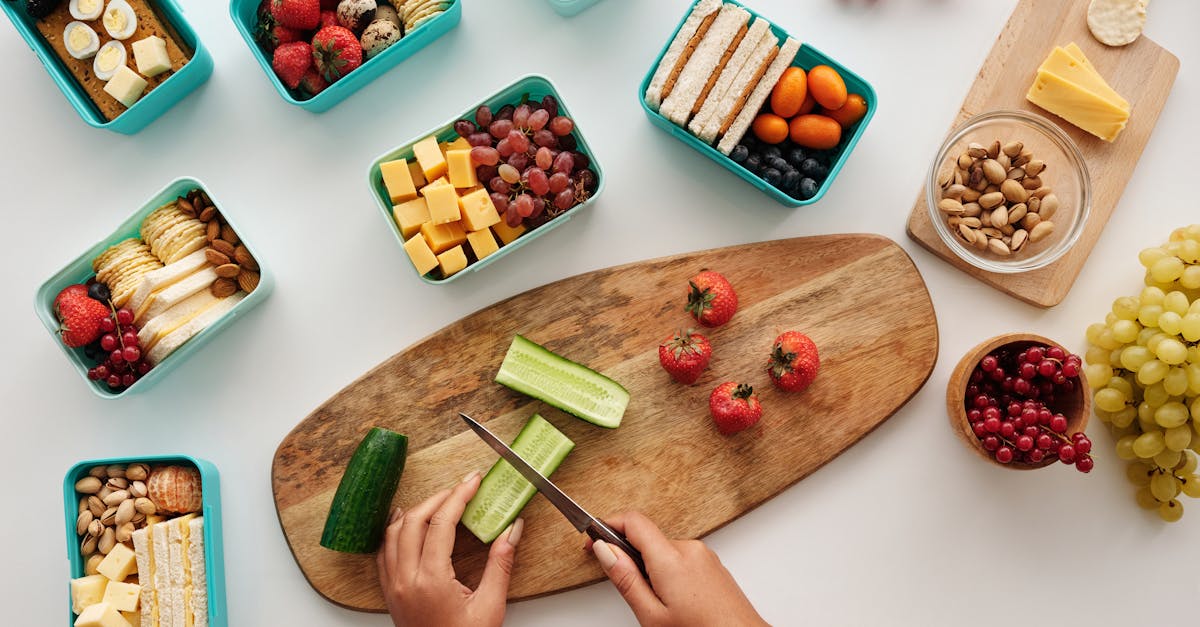
Advancements in Kitchen Technology
State-of-the-art kitchen technologies are transforming meal preparation, making it more efficient and engaging. Smart appliances equipped with artificial intelligence guide chefs through recipes, adjusting techniques for optimal results. 3D food printing offers precision and innovation, allowing chefs to craft intricate and customized dishes effortlessly. Advanced sous-vide and induction cooking systems bring controlled precision to the art of culinary expertise. These breakthroughs are not only tools for professionals but are also becoming commonplace in home kitchens, empowering amateur cooks and enthusiasts to explore their culinary potential. The intersection of technology and creativity encourages culinary professionals to break new ground.
Revolutionizing Dining Experiences
Epicurean Innovations aren't limited to the kitchen; they extend to revolutionizing how we experience dining. Immersive dining experiences, enhanced by virtual and augmented reality, transport diners to far-off lands, blending culinary arts with storytelling and ambience. Restaurants create multi-sensory environments, engaging all five senses, to enhance the joy of eating. Personalized dining becomes the norm, with AI analyzing preferences and delivering customized dishes tailored to individual palates. With experiences so vividly immersive and personalized, food becomes an experiential journey rather than a mere meal. This confluence of art and technology promises unforgettable gastronomic experiences.
Fusion of Time-Honored Techniques and Modern Science
In 2025, chefs are adept at marrying ancient techniques with contemporary science to pioneer new culinary genres. Fermentation, a time-honored method, is reimagined using microbial science to enhance flavors and nutritional profiles, creating kimchi-inspired condiments and probiotic-rich desserts. Molecular gastronomy continues to evolve, blending chemistry and artistry through creative plating and presentation. Culinary professionals find inspiration in global influences, merging flavors and methods in ways previously unimaginable. This fusion of tradition and innovation fosters a rich culinary tapestry, offering diners an endless array of exquisite choices. The delicate balance between history and modernity enriches the global culinary narrative.
Focus on Holistic Nutrition
As awareness of health and wellness grows, the culinary realm prioritizes nutritional balance and holistic well-being. Ingredients are carefully selected to provide maximum health benefits, reflecting a shift towards conscious consumption. Superfoods and nutrigenomics research influence recipe creation, ensuring meals are not only delicious but also nutritionally beneficial. Restaurants may incorporate on-staff nutritionists to curate menus that cater to specific dietary needs, from gluten-free to plant-based options. Personalized nutrition plans and meal kits make healthy eating accessible while maintaining culinary integrity. The intersection of taste, health, and longevity becomes a defining narrative in 2025's culinary landscape.
The Role of Plant-Based Innovation
Driven by environmental and ethical concerns, plant-based innovations continue to gain traction in the culinary industry. Alternative proteins, such as cultured meat and plant-based fish, offer authentic flavors without compromising ethics or sustainability. Chefs become pioneers of ingenious plant-based recipes that entice even the staunchest proponents of traditional meat dishes. These innovations cater to diverse palates while addressing the global push for culinary solutions that do not burden the planet. The increase in plant-based menus at restaurants reflects broader consumer demand for compassionate and eco-conscious dining options, solidifying the role of plant-based foods in mainstream culinary offerings.
Resurgence of Craftsmanship and Artisan Techniques
While technology modernizes numerous aspects of the culinary world, there is a resurgence of appreciation for craftsmanship and artisan techniques. In 2025, the allure of handcrafted, locally made delicacies remains steadfast, as consumers crave authenticity and connection to heritage. Artisan bread, cheeses, and charcuterie reflect a yearning for simpler, time-tested methods by discerning diners. Chefs skillfully blend modern flavors with traditional crafts to present exquisite dishes that embody cultural integrity. The artistry present in these culinary offerings reflects an enduring respect for skill, tradition, and the passion that defines culinary excellence.
Challenges in the Culinary Evolution
Despite monumental advancements, the culinary world faces challenges that require ongoing adaptation. Maintaining cultural authenticity while embracing innovation poses a constant balancing act for chefs worldwide. Competition to integrate sustainability without compromising profitability remains a pivotal obstacle for restaurateurs. There are ongoing debates about technology's place in culinary art and concerns about diluting the profession’s human element. Additionally, ensuring equitable access to nutrient-rich food while addressing food insecurity presents an unresolved challenge. Overcoming these issues requires collaboration across industries and a steadfast commitment to sustainability and inclusivity. The journey of culinary evolution continues, driven by both opportunity and awareness.
Summary and Conclusion
Epicurean Innovations 2025 heralds a transformative chapter in the hospitality and culinary arts, blending sustainability, technology, and tradition. From responsive kitchen appliances to immersive dining experiences, these advancements revolutionize the way we perceive and partake in food. New culinary boundaries are explored with both cautious creativity and respect for tradition, resulting in dining experiences that are both innovative and authentic. Coupled with a growing emphasis on nutrition and sustainability, the culinary world stands poised for a future that is as delicious as it is mindful. The intersection of technique, technology, and tradition promises an exciting culinary voyage for the years to come.