A New Chapter for Everyday Eating
From fermented sips to climate-smart ingredients, today’s menus are changing faster than many diners realize. Emerging Food Beverage Trends reflect a blend of health curiosity, culinary creativity, sustainability, and plain old convenience. The result is a food culture where familiar comforts meet surprising new possibilities.
Flavor Is Going Global
One of the clearest developments is the growing appetite for regional flavors beyond the usual international staples. Diners are discovering Filipino, West African, Levantine, Peruvian, and Southeast Asian ingredients in everything from casual sandwiches to premium tasting menus. This movement is not simply about adding novelty. It is also about recognizing culinary traditions that have long used bold combinations of acidity, spice, smoke, fermentation, and texture. Emerging Food Beverage Trends increasingly favor menus that tell a story, whether through a tamarind glaze, a yuzu dressing, or a carefully balanced chili crisp. The most successful dishes make unfamiliar flavors approachable without sanding away their character.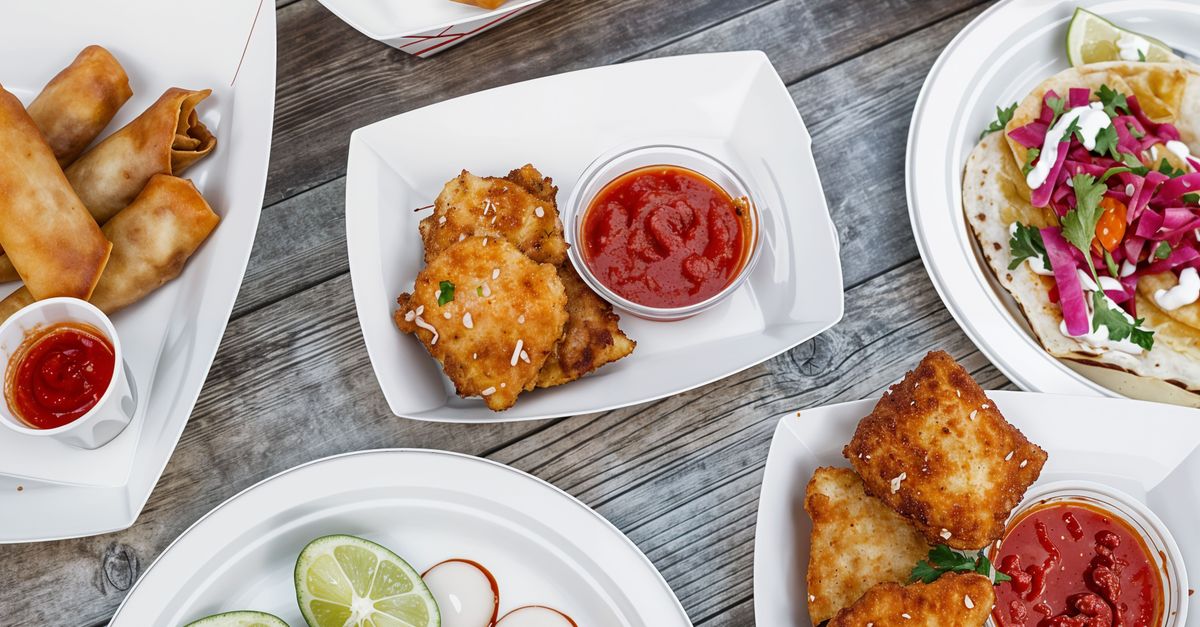
Plants Become More Versatile
Plant-forward cooking has moved well beyond the predictable territory of salads and meat substitutes. Chefs are working with mushrooms, legumes, sea vegetables, grains, roots, and fermented plant proteins in more imaginative ways. A dish may feature roasted cabbage as its centerpiece, lentils transformed into a silky sauce, or sunflower seeds blended into a creamy spread. Emerging Food Beverage Trends show that customers often respond better to abundance than imitation: vegetables should be delicious in their own right, not merely dressed up as something else. This shift also gives kitchens more room to create dishes that are colorful, satisfying, and adaptable across different dining formats.
Drinks Get More Complex
Beverage menus are becoming laboratories of flavor. Low- and no-alcohol drinks now draw on shrubs, botanical infusions, tea, spices, verjus, sparkling water, and sophisticated bitters rather than relying on sugary syrups. At the same time, coffee continues to expand into cold brew variations, seasonal infusions, and carefully sourced single-origin offerings. Emerging Food Beverage Trends also include functional-style drinks featuring ingredients such as ginger, turmeric, adaptogenic herbs, and fermented teas, although their appeal often comes as much from flavor and ritual as from any promised benefit. The modern beverage can be refreshing, layered, photogenic, and complex enough to deserve its own tasting notes.
Fermentation Finds a Wider Audience
Fermentation is another major force, bringing tang, depth, and preservation into everyday food. Kimchi, kombucha, sourdough, kefir, miso, tempeh, and aged hot sauces are now familiar to many consumers, while chefs continue experimenting with koji, fermented fruit, and cultured condiments. Emerging Food Beverage Trends treat fermentation as both an ancient technique and a modern design tool. It can reduce waste, extend shelf life, and create flavors that are difficult to achieve through ordinary cooking. The appeal is partly practical and partly sensory: a fermented ingredient can make a dish taste older, wiser, and slightly more interesting than its ingredient list suggests.
Sustainability Moves Into the Main Course
Environmental concerns are increasingly shaping what restaurants buy, serve, and explain to customers. Menus are highlighting seasonal produce, responsibly sourced seafood, regenerative agriculture, and ingredients that can thrive with fewer resources. Emerging Food Beverage Trends also include upcycled foods, such as beverages made with surplus fruit, flour produced from spent grains, and snacks created from vegetable trimmings. These ideas work best when they are presented as delicious choices rather than moral homework. Diners generally appreciate transparency, but they still want a meal that feels generous and enjoyable. Sustainability succeeds when it improves flavor, reduces waste, and fits naturally into the dining experience.
Convenience Without Culinary Compromise
Busy consumers continue to seek food that is quick, portable, and easy to prepare, but convenience no longer has to mean blandness. Ready-to-eat meals, premium frozen dishes, smart vending concepts, meal kits, and subscription services are becoming more varied and better designed. Restaurant-style sauces, global spice blends, and high-quality textures help these products feel less like emergency rations and more like practical luxuries. Packaging is changing as well, with resealable formats, portion-conscious designs, and materials intended to reduce environmental impact. The strongest convenience products understand that people may be rushed, but they are not willing to surrender flavor completely.
Technology Personalizes the Plate
Digital tools are influencing food from production to presentation. Restaurants use data to forecast demand, reduce inventory waste, and understand ordering patterns, while food companies test new ways to personalize products according to taste preferences and dietary needs. Artificial intelligence can assist with recipe development, menu planning, and supply-chain analysis, although human judgment remains essential for balancing flavor, cost, culture, and practicality. In retail, interactive labels and traceability systems give shoppers more information about sourcing and production. Technology is most useful when it removes friction behind the scenes while allowing the final meal to feel warm, human, and pleasantly unautomated.
Texture and Experience Take Center Stage
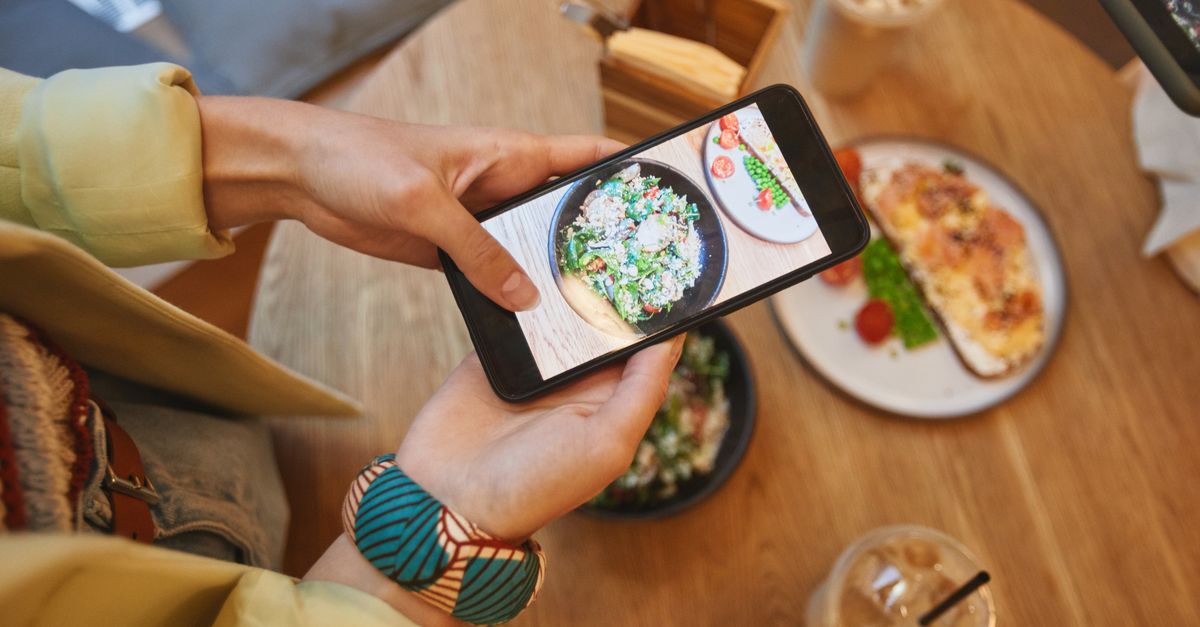
Taste remains fundamental, but texture is becoming a more deliberate part of product development and menu design. Diners are seeking contrasts such as crisp and creamy, chewy and delicate, or frozen and aromatic. This interest appears in layered desserts, crunchy toppings, filled noodles, airy foams, and snacks designed to make sound part of the experience. Presentation matters too, especially as food is increasingly photographed and shared online. Yet visual appeal alone has a short shelf life. The memorable dishes are those that look distinctive, feel engaging, and deliver a flavor payoff after the camera is put away.
What These Changes Mean for the Future
Taken together, these developments suggest that tomorrow’s food culture will be more flexible, globally informed, and attentive to resources. Consumers are not following a single path; they are combining convenience with craftsmanship, indulgence with curiosity, and tradition with experimentation. Businesses that succeed will likely be those that listen carefully rather than chase every passing novelty. The future menu will not be defined by one superstar ingredient, but by thoughtful combinations that make everyday eating more flavorful and relevant.
A More Inventive Food Culture
Emerging Food Beverage Trends are reshaping menus through global flavors, plant-forward cooking, inventive drinks, fermentation, sustainability, convenience, technology, and texture. Their common thread is a desire for food that feels both exciting and practical. The next generation of dining will blend old techniques with new tools while keeping pleasure at the center. In other words, the future of food may be smarter and greener, but it should still leave room for a really good snack.