
Introduction
As we stand on the cusp of 2025, the culinary world is poised for dramatic transformations that will redefine how we experience food. These changes are driven by a fusion of technology, sustainability, and cultural exchange, all converging to craft a vibrant new future. Culinary innovators are leveraging technology to enhance flavors, reduce waste, and expand accessibility, while sustainability remains at the forefront of dining innovations. Meanwhile, cultural fusion continues to enrich the global food landscape with a plethora of enticing combinations. But what exactly are the trends that will dominate our dining tables in 2025? How will these shifts affect our relationship with food? This journey into the culinary trends of 2025 provides a glimpse of what's to come.
Technological Advancements in the Kitchen
Technology is revolutionizing the culinary world, making waves in both professional kitchens and home cooking environments. In 2025, smart appliances have become mainstream, offering AI-driven cooking assistance that can replicate restaurant-quality dishes at home. Food printers are no longer a novelty but a staple in upscale kitchens, enabling chefs to design complex shapes and textures. Robotics has transformed food preparation and service, with robots taking on tasks ranging from chopping vegetables to serving meals. These technological breakthroughs are reshaping culinary education too, allowing aspiring chefs to experiment with advanced techniques earlier in their careers. However, the human touch remains essential, ensuring that culinary training balances innovation with traditional craftsmanship.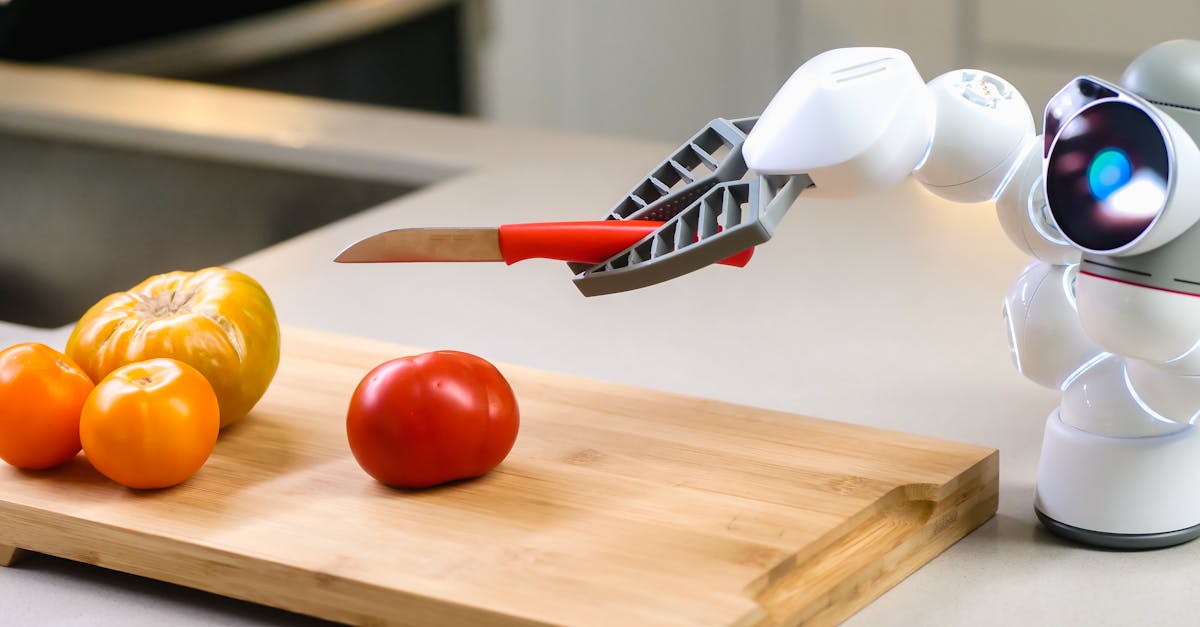
Sustainability Takes Center Stage
As climate change continues to affect global resources, the culinary sector is steadfast in its commitment to sustainability in 2025. Restaurants and food producers are increasingly turning to local sourcing to reduce the carbon footprint of their operations. Urban farming in the form of rooftop and vertical gardens is booming, supplying fresh ingredients directly to urban eateries. Food waste reduction initiatives are gaining momentum, with many establishments using cutting-edge technology to minimize waste. Sustainable seafood and plant-based proteins are at the forefront of menu offerings as customers become more environmentally conscious. These practices not only mitigate environmental impact but also appeal to a growing segment of eco-minded consumers.
Global Flavors and Cultural Fusions
The world is becoming more interconnected, leading to an exciting evolution of culinary diversity. In 2025, the blending of flavors from different cultures lends new depth to traditional dishes, resulting in thrilling global gastronomic trends. Latin American street food influenced by Asian spices or Middle Eastern flavors combined with European techniques demonstrate this vibrant fusion. Regional cuisines are gaining international prominence as chefs embrace the authenticity of non-western culinary traditions. This celebration of cultural diversity is not confined to upscale dining; even casual eateries are adopting cross-cultural menus. As a result, diners are offered an extensive palette of innovative flavor combinations.
Transparency and Ethical Dining
Increased consumer awareness has led to a demand for transparency and ethical practices in the food and beverage industry. By 2025, a significant focus is placed on ensuring that food sourcing and production processes are ethical and fair. Restaurants are catering to this shift by prioritizing transparency about ingredient origins and sustainability practices. Efforts to combat food fraud are strengthening, with improved product labeling and traceability technologies. Plant-based and cruelty-free options are expanding not just as dietary trends but as ethical imperatives. Consequently, diners can savor their meals with an understanding of their environmental and social impact.
Immersive Dining Experiences
2025 sees a rise in dining experiences that engage all the senses, transporting diners into immersive culinary narratives. Restaurants are offering multi-sensory environments where light, sound, and even scents sync with the flavors on the plate. Interactive dining shows incorporating augmented reality projections are attracting patrons looking for memorable experiences. Edible performance art is gaining traction, transforming meals into storytelling adventures that captivate and entertain guests. These experiences are redefining luxury dining, providing a unique space where theater and gastronomy merge into one harmonious experience. Such innovation continues to enthrall diners seeking more than just a meal.
The Rise of Gen Z Influences
The preferences and values of Gen Z are shaping culinary norms in 2025, as this generation seeks authenticity, social consciousness, and personalized experiences. They prioritize diverse, authentic cuisine, prompting restaurants to experiment with unconventional pairings. The appeal of street food markets and pop-up restaurants is amplified by Gen Z's adventurous palate and desire for authentic interactions. Closely linked to technology, this group values fast, convenient dining solutions without compromising on quality. Personalized meal experiences catered to individual dietary requirements and preferences are also increasingly prevalent, reflecting Gen Z's demand for customization.
The Role of AI in Personalized Nutrition
Advancements in AI technology have paved the way for hyper-personalized meal plans tailored to individual health goals and dietary needs by 2025. AI-driven mobile apps are ubiquitous, offering users tailored nutrition advice based on their genetic profiles, lifestyles, and preferences. This technological capability allows consumers to optimize their diets for maximum health benefits, supporting long-term well-being. Restaurants and food delivery services are leveraging AI to offer customized menus that adapt to various nutritional requests. Such precision in personalized nutrition is helping people manage dietary conditions more effectively.
Dietary Innovations in Focus
The expansion of dietary choices continues in 2025, with niche diets becoming more mainstream, supported by scientific advances and consumer interest. Novel superfoods with health benefits, such as algae-based products and cellular agriculture, are entering the culinary spotlight. Mushroom-based dishes and fermentation techniques similarly capture the public's imagination, offering both health and flavor benefits. Diets focused on digestive health, including low-FODMAP and probiotics-rich foods, are gaining traction, reflecting an increased awareness of gut health. These culinary innovations underscore a broader trend towards nutritional consciousness.
Conclusion
By 2025, the culinary world has embraced innovation, blending technology, sustainability, and global influences to create an exciting gastronomic landscape. The rise of AI, sustainable practices, and immersive experiences offer a glimpse into the industry's future while ensuring that food remains both an art and a science. With Gen Z leading the charge, authenticity and ethical considerations are set to redefine dining experiences, balancing traditional values with modern needs. As we advance towards this future, culinary trends promise not just tantalizing tastes, but also meaningful stories as we savor each bite. What lies ahead is a harmonious blend of technology and tradition, inviting us to taste the future.