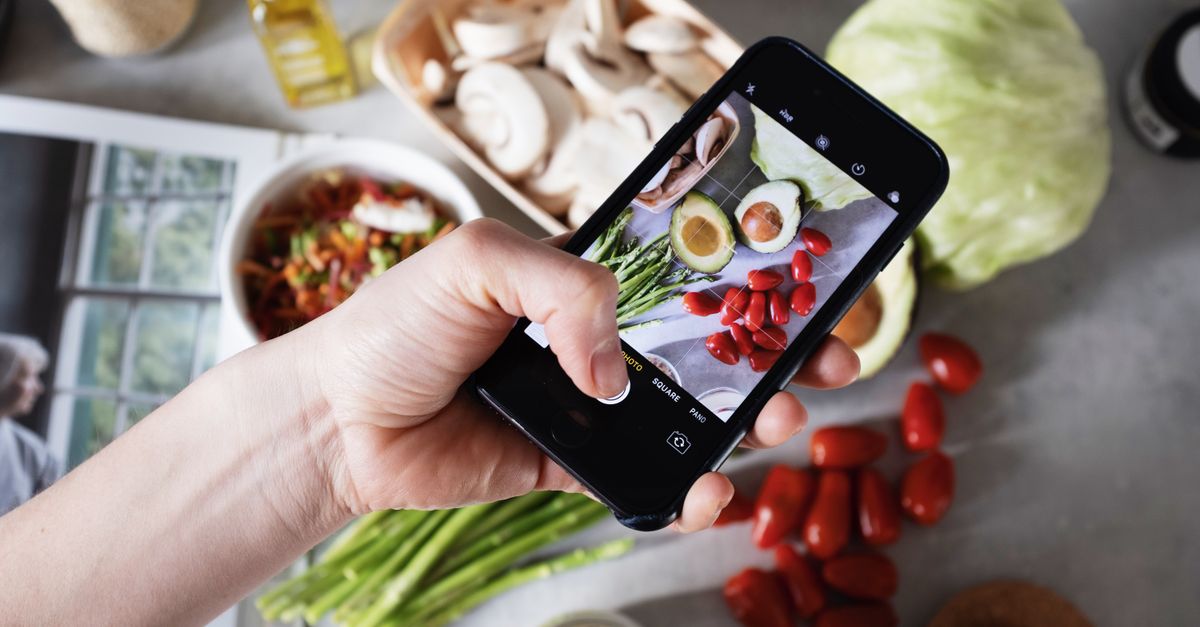
A New Era of Eating
Food is no longer just fuel or a backdrop for photographs; it is a moving conversation about culture, technology, climate, identity, and convenience. Today’s kitchens mix ancestral methods with clever gadgets, global flavors with local ingredients, and comfort food with fresh expectations. The result is a dining landscape that changes almost daily.
From Fads to Everyday Habits
Culinary Trends often begin as niche experiments before slipping quietly into ordinary life. A fermented drink may first appear at an adventurous café, then reach supermarket shelves beside orange juice. Likewise, once-unusual ingredients such as seaweed, gochujang, or heirloom grains can move from specialist menus into home cooking. Social media speeds up this process, but popularity alone does not guarantee staying power. The trends that last usually solve a practical problem, offer a memorable flavor, or connect diners with a meaningful story. In other words, novelty opens the door, but usefulness convinces people to stay.
Plants Take Center Stage
One of the strongest Culinary Trends is the continued expansion of plant-forward eating. This does not necessarily mean every diner is becoming vegetarian; rather, vegetables, beans, lentils, mushrooms, and grains are receiving more attention as satisfying main ingredients. Chefs are using roasting, smoking, charring, fermentation, and precise seasoning to give plants deeper flavor and richer texture. Restaurants are also rethinking the traditional plate, placing meat in a supporting role instead of making it the entire production. The approach appeals to health-conscious diners, environmentally aware consumers, and anyone who enjoys a good mushroom pretending to be a steak.
Local Food, Global Inspiration
Culinary Trends increasingly combine local sourcing with international influence. A neighborhood restaurant might use nearby carrots in a North African-style stew, serve regional fish with Southeast Asian herbs, or fold local grains into a Latin American-inspired bowl. This exchange can broaden palates while supporting farmers and reducing the distance between producer and plate. However, thoughtful cooking requires more than borrowing attractive ingredients or decorative language. Respectful collaboration, accurate context, and credit for culinary traditions matter. The best examples create genuine dialogue rather than treating global cuisines as a costume rack for fashionable menus.
Technology Enters the Kitchen
Digital tools are changing both professional kitchens and domestic routines. Recipe platforms can personalize meals around allergies, budgets, available ingredients, or cooking skill. Smart ovens monitor temperature, induction burners improve control, and countertop appliances make fermentation, pressure cooking, and breadmaking less intimidating. Restaurants are also using data to forecast demand, reduce waste, and manage increasingly complex operations. Yet technology has not made human judgment obsolete. A machine can measure heat with impressive accuracy, but it cannot fully understand the difference between pleasantly crisp and tragically charcoal. Culinary Trends work best when technology supports intuition rather than replacing it.
Sustainability Beyond the Slogan
Another important direction involves making food systems more responsible without turning every meal into a moral examination. Chefs are exploring nose-to-tail and root-to-stem cooking, using scraps for stocks, sauces, pickles, and garnishes. Consumers are showing greater interest in regenerative agriculture, seasonal produce, reusable packaging, and lower-impact proteins. The challenge is balancing environmental goals with affordability, access, and cultural preference. Sustainable choices must be practical enough for busy households, not limited to expensive restaurants with carefully photographed compost bins. Progress often arrives through small adjustments repeated across millions of kitchens.
The Return of Fermentation and Craft
Culinary Trends also reveal a renewed appreciation for patient techniques. Fermentation, pickling, curing, sourdough baking, and traditional preservation methods are appearing in modern kitchens because they deliver complexity that quick shortcuts cannot easily reproduce. These practices also reduce waste and connect cooks with regional history. At the same time, craft does not have to mean fussy or old-fashioned. A jar of kimchi, a loaf of naturally leavened bread, or a homemade chili crisp can become an accessible weekly staple. The appeal lies partly in flavor, but also in the satisfying knowledge that time, rather than expensive equipment, did much of the work.
Comfort Meets Personal Expression
Culinary Trends are not moving only toward innovation; they are also circling back to comfort. Familiar dishes are being updated with better ingredients, regional details, or playful presentation, while family recipes are gaining new life through online communities. Diners increasingly want food that feels personal, whether that means a childhood dessert, a nostalgic sandwich, or a meal adapted to a particular cultural background. This desire explains why polished tasting menus and humble noodle shops can thrive side by side. People may enjoy culinary adventure, but they still want dinner to feel like it belongs somewhere—and occasionally like it knows their name.
What Comes Next
The future of food will probably be less about one dominant movement and more about overlapping choices. Consumers may seek convenience on Monday, experiment with fermentation on Wednesday, and cook a treasured family dish on Sunday. Restaurants will continue balancing sustainability, labor costs, creativity, and accessibility, while home cooks borrow ideas from every corner of the world. The most influential Culinary Trends will therefore be flexible rather than rigid: flavorful enough to inspire, practical enough to repeat, and thoughtful enough to remain relevant after the algorithm finds a new favorite. Food culture is becoming more diverse, connected, and self-aware, even when its biggest debates begin over what belongs on a pizza.
A Changing Food Landscape
Modern eating reflects a broad shift in how people understand meals, ingredients, and culinary identity. Plant-forward cooking, local sourcing, digital tools, preservation techniques, and cultural exchange are reshaping both restaurants and home kitchens. The most durable ideas combine pleasure with practicality, proving that responsible food can also be delicious. As tastes continue to evolve, the kitchen remains one of the clearest places to see society thinking out loud.