Introduction
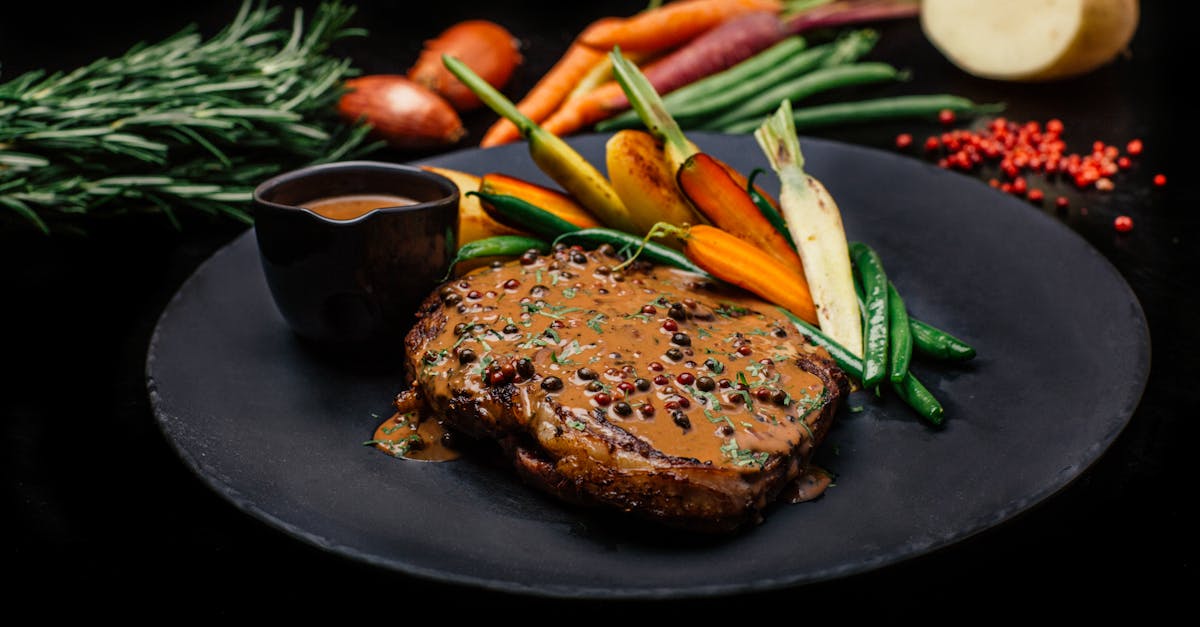
In a world teeming with culinary creativity, new food flavors offer an adventure of taste that transcends traditional boundaries. Whether it's a fusion of exotic spices or the revival of ancient ingredients, the exploration of these novel tastes can be both intriguing and rewarding.
A Taste Revolution Begins
Our palates are continuously evolving, shaped by a need for novelty and complexity. The culinary catalyst, likened to an alchemist in a modern kitchen, deftly navigates the intricate web of tastes, weaving together unexpected, harmonious blends. From the umami richness of miso in desserts to spicy mango salads, every bite becomes a narrative of new sensations.
Old Meets New: A Harmonious Blend
Diving into fusion cuisines—where age-old traditions intertwine with contemporary flair—reveals a treasure trove of new food flavors. Imagine a classic French ratatouille with an Indian masala twist, or sushi rolls with avocado purées. Each creation respects its roots while embracing change, bringing forth a taste narrative enriched by cultural stories.
Brewing Flavors With Innovative Techniques
Fermentation, spherification, and sous vide are more than mere chef jargon; they are the brushes artists use to paint new flavors on the culinary canvas. Fermented chili paste can shed new light on pasta, while sous vide strawberries might redefine your dessert experience. These techniques act as catalysts, driving the transformation of taste.
The Seasonality Saga
As seasons change, so do our plates. There's something poetic about ingredients that tell a time-bound story through flavor. Think autumn’s earthy truffles paired with chestnut mousse, or summer’s bright berries merged into tangy vinaigrettes. Seasonal fare teases out flavors from nature's bounty, weaving sensory memories year-round.
Exploring Health-Centric Innovations
A shift towards wellness is redefining the flavor roadmap. Advancements like plant-based proteins, adaptogens like ashwagandha, and fermented delights like kombucha are taking center stage. These health-centric ingredients cater to a growing palate of health-conscious foodies seeking both taste experiences and nutritional benefits.
The Science of Culinary Innovation
Behind every invention lies a partnership between art and science. Flavor scientists delve into molecular gastronomy, unearthing new food flavors through precision. They employ scientific methods to craft synthetic flavors that mimic natural ones or develop probiotic-rich foods offering both taste and gut health benefits. This marriage of science and culinary arts enriches and expands what is possible on our plates.
Conclusion
As we traverse the ever-evolving landscape of culinary art, it's clear that new food flavors aren’t just fleeting trends. They represent a vital, dynamic interplay between cultural respect, inventive techniques, and an unyielding quest for discovery. In this delicious symphony of tastes, each bite, burst, and blend is a tribute to creativity’s limitless boundaries.